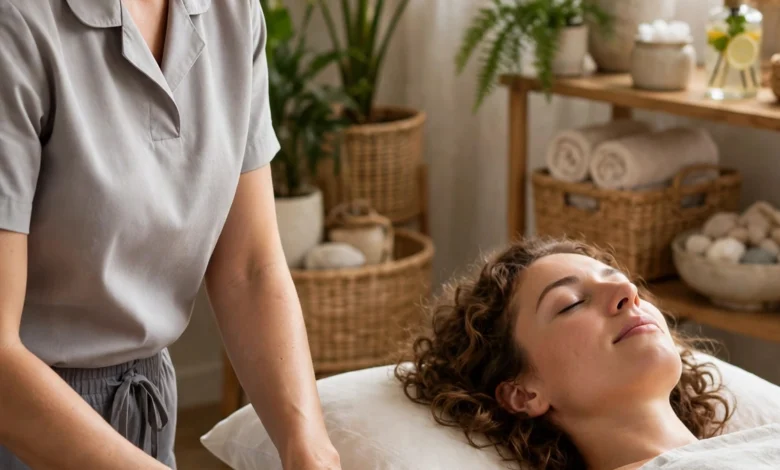
Lymphatic Drainage Massage Near Me: How to Find a Good Local Therapist
If you searched for a lymphatic drainage massage near me, the short answer is that it is a very gentle, specialised massage that encourages lymph fluid to move through your body, and it is most useful for reducing certain kinds of swelling and leaving you feeling lighter and more relaxed. It is not a deep-tissue massage, it is not a detox miracle, and it will not melt fat, but for the right person it is a genuinely helpful therapy with a long clinical history. The trick is finding a properly trained therapist rather than booking the first spa that uses the words on its menu, because the technique depends entirely on light pressure and correct direction, and a therapist who presses too hard can actually work against the lymph vessels they are supposed to help.

Before you book anything, it helps to understand what the treatment really does, what it costs in your area, and who should skip it, because lymphatic drainage massage is one of the most misunderstood treatments on any spa menu. It has become a social media trend with dramatic before-and-after videos, yet its original purpose was medical: helping people manage lymphedema, the chronic swelling that can follow surgery or cancer treatment. This guide explains the science in plain language, separates the honest benefits from the hype, and walks you through finding a qualified local therapist, so you can book with confidence and realistic expectations.
What Is Lymphatic Drainage Massage?
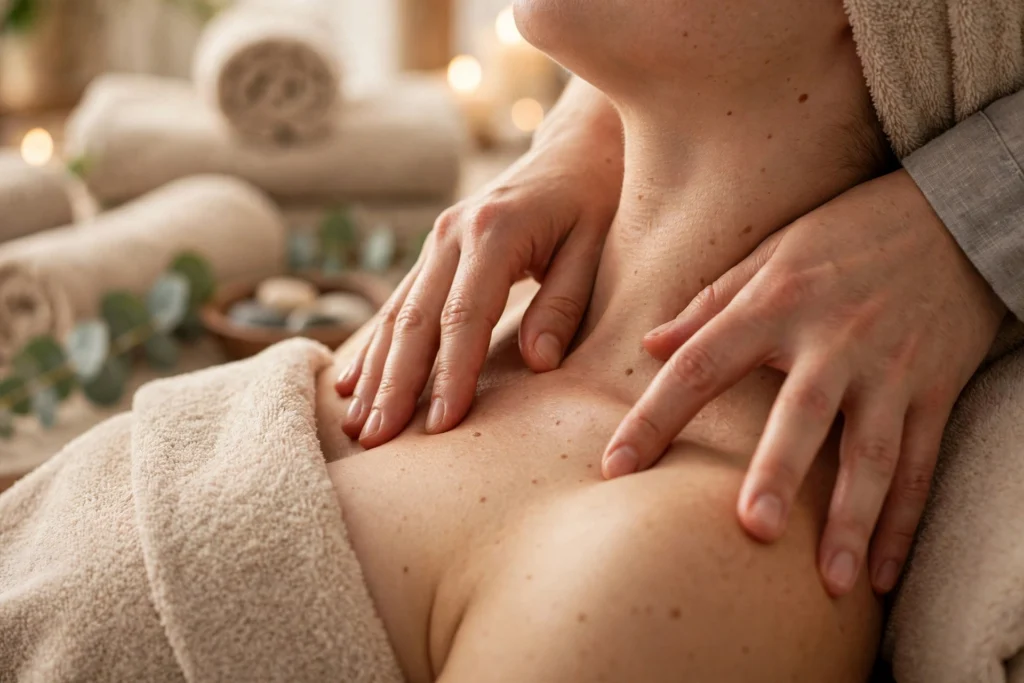
Lymphatic drainage massage is a gentle form of massage designed to encourage the movement of lymph, the clear fluid that travels through a network of vessels and nodes around your body, according to the Cleveland Clinic. Unlike a regular massage, which works on muscles, lymphatic drainage works on the superficial tissues just beneath the skin, where most lymph vessels sit. The therapist uses slow, rhythmic, feather-light strokes that follow the natural pathways of the lymphatic system, always directing fluid toward working lymph nodes where it can be filtered and returned to the bloodstream. The pressure is famously light, and one plastic surgeon quoted in the press describes it as roughly the weight of a nickel resting on the skin, which surprises most first-timers who expect a firm massage.
The technique was developed in the 1930s by Danish doctors Emil and Estrid Vodder, and it has been used in clinical care ever since, most notably as part of complete decongestive therapy for people with diagnosed lymphedema. In that medical setting it is delivered by a certified lymphedema therapist working with the patient’s medical team, and it is one component of a larger programme that also includes compression garments, exercise and skin care. In spas and wellness clinics, the same basic technique is offered as a standalone treatment for general swelling, puffiness and relaxation, which is how most people searching for a lymphatic drainage massage near me will encounter it. The key point is that the medical and the cosmetic versions share the same gentle method, but they serve very different purposes, and knowing which one you need shapes where you should book.
How Does the Lymphatic System Actually Work?
Your lymphatic system is your body’s drainage and filtration network, a web of vessels, small filtering stations called lymph nodes, and organs that carries lymph out of your tissues, cleans it, and returns it to your bloodstream. It has three main jobs: managing fluid balance by collecting excess fluid from your tissues, supporting your immune system by moving immune cells where they are needed, and absorbing certain dietary fats from your digestive system. The system runs parallel to your cardiovascular system, but with one crucial difference: unlike your blood, which your heart pumps around your body, your lymphatic system has no central pump of its own, so lymph moves only when your muscles contract, when you breathe, and when pressure changes in the tissues push it along.
That design explains both why the system can struggle and why massage can help. When you sit still for long hours, after surgery, or when lymph nodes have been removed or damaged, fluid can pool in the tissues and cause swelling, heaviness and that puffy feeling many people describe. The Cleveland Clinic explains that when something disrupts the normal flow, lymph collects in the arms, legs, ankles or other parts of the body and makes them swell. A trained therapist steps in as a kind of external pump, using precise, directional strokes to coax the pooled fluid along the vessel pathways toward the nearest functioning lymph nodes. Direction matters as much as pressure, because working the wrong way pushes fluid toward a blockage instead of away from it, which is why proper training matters so much.
What Are the Benefits of Lymphatic Drainage Massage?
The most established benefit of a lymphatic drainage massage is reducing swelling, and this is the use with the strongest support behind it. For people with diagnosed lymphedema, manual lymphatic drainage is a recognised component of care, usually delivered as part of complete decongestive therapy by a certified lymphedema therapist. It can also help with post-surgical swelling, particularly after procedures involving the lymph nodes, although its effectiveness varies by procedure and it should only be performed with medical clearance. For people without a medical condition, the most realistic benefit is a lighter, less puffy feeling, especially in the face and legs, along with the deep relaxation that comes from an hour of slow, rhythmic touch, which is a genuine benefit in its own right on a stressful week.
Beyond swelling, the Cleveland Clinic lists several other potential benefits of lymphatic drainage massage, including immune system support, reduced fluid retention, relief from neuropathy, stress management, and glowing skin when the treatment is used as a cosmetic facial procedure. It is important to treat these as possible benefits rather than guaranteed results, because the evidence for some of them is thinner than for swelling reduction. What the treatment will not do is detox your body in any medical sense, burn fat, or produce lasting weight loss, and any clinic promising those outcomes is overselling the science. A good therapist will be honest about this, and that honesty is itself one of the best signs you have found a trustworthy local provider.
What Happens During a Lymphatic Drainage Massage Session?
A typical lymphatic drainage massage session lasts around sixty minutes, and it feels very different from a normal massage, so it helps to know what to expect before you arrive. The therapist will usually begin by stimulating the areas of your body that house your major lymph node clusters, which means gentle work around the neck, the armpits and, with your consent, the groin area, before moving on to the area you came in for. This order is deliberate: clearing the central pathways first gives the fluid somewhere to go, rather than pushing it toward nodes that are already congested. The strokes themselves are slow, rhythmic and extremely light, and many clients are surprised by how little pressure is involved, sometimes wondering whether anything is happening at all until they notice the lightness afterwards.
You will usually lie on a massage table, and the therapist works with little or no oil, because oil would make the skin too slippery for the gentle stretching motion the technique needs. Communication matters throughout the session, so tell your therapist about any areas of swelling, recent surgery, or health conditions before they begin, and speak up if anything feels uncomfortable. After the session, most people feel relaxed and a little lighter, and some notice they need the bathroom more often as fluid moves through the system, which is normal. Your therapist may also suggest simple self-care between visits, such as walking, gentle stretching and slow belly breathing, all of which help keep lymph moving on its own.
How Much Does a Lymphatic Drainage Massage Cost Near Me?
The price of a lymphatic drainage massage near me varies widely by location, by the therapist’s training, and by whether the session is clinical or cosmetic, so treat any single figure as a rough guide rather than a fixed rate. In the United States, some high-end wellness clinics charge upwards of $300 for a single session, according to reporting on the treatment, while many local spas and independent therapists charge considerably less, often in the same range as a standard sixty-minute massage in their area. In the United Kingdom, prices are generally lower, and a session at a local clinic or spa typically falls within the usual local massage price range, with medical lymphatic drainage sometimes covered differently when it is part of prescribed lymphedema care. The best approach is to call two or three local providers, ask exactly what is included, and compare like with like, because a cheaper session from an untrained therapist is not a bargain.
Several factors push the price up or down, and understanding them helps you judge whether a quote is fair. A certified lymphedema therapist with clinical training will usually charge more than a spa therapist who learned a short facial drainage routine, and that premium is justified when you need genuine therapeutic work. Session length matters too, with ninety-minute full-body sessions costing more than a thirty-minute facial drainage treatment, and some clinics charge extra for add-ons such as compression, infrared, or body wraps that are not part of the core technique. If cost is a concern, ask whether the clinic offers a shorter introductory session, a package price for a course of treatments, or a consultation first, because a reputable provider would rather explain the pricing clearly than surprise you at the till.
How to Find a Good Lymphatic Drainage Massage Near Me
Finding a good lymphatic drainage massage near me starts with searching the right terms and then checking credentials before you book, because the words appear on many spa menus but the training behind them varies enormously. Start with a map search for “lymphatic drainage massage” plus your town or postcode, then read the reviews carefully, looking for mentions of gentle technique, lymphedema experience, and therapists who explain the treatment rather than simply selling it. Check the clinic’s website for the therapist’s qualifications: for medical lymphatic drainage, look for a Certified Lymphedema Therapist credential, and for cosmetic work, look for a massage therapist with specific manual lymphatic drainage training, ideally the Vodder method or an equivalent recognised programme. A clinic that names its therapists and their training is almost always a safer bet than one that does not.
Once you have a shortlist, call the clinic and ask three simple questions before booking. First, what training does the therapist have in manual lymphatic drainage, and how long have they been practising it? Second, is the session tailored to your situation, such as post-surgical swelling, general puffiness, or a diagnosed condition, or is it a one-size-fits-all routine? Third, what should you expect afterwards, and are there any reasons you should not have the treatment? A good clinic will answer all three clearly and without pressure, and it will ask about your health history before the session. If a clinic cannot tell you who will treat you, cannot describe the technique, or promises dramatic detox results, keep looking, because a careful provider is the whole point of searching locally in the first place.
Who Should Avoid Lymphatic Drainage Massage?
Lymphatic drainage massage is gentle, but gentle does not mean suitable for everyone, and there are situations where it should be avoided or only done with a doctor’s approval. People with certain heart conditions, kidney problems, a history of blood clots, liver problems, or an active infection should check with their doctor before booking, because moving extra fluid through the body can put additional strain on systems that are already struggling. Anyone with diagnosed lymphedema should start with their physician rather than a spa booking, so the treatment can be delivered as part of a proper care plan by a certified therapist. If you have recently had surgery, wait until your surgeon has cleared you for massage, and always tell your therapist about any recent procedures, even if they seem unrelated.
It is also worth knowing that some discomfort after a session, such as mild tiredness or a headache, is occasionally reported, though most people feel simply relaxed. If you notice anything unusual after a treatment, such as increased swelling, pain, or skin changes, contact your therapist or your doctor rather than booking another session and hoping it settles. This article is general information only and is not a substitute for medical advice, so when in doubt, ask a healthcare professional who knows your history. A responsible therapist will say the same thing and will not hesitate to turn you away if the treatment is not right for you, which is another sign of a provider worth trusting.
Can You Do Lymphatic Drainage at Home?
You can support your lymphatic system at home with simple, gentle habits, and for many people these everyday steps are just as useful as a professional session. The single most effective thing is movement: a daily walk, gentle stretching, or slow belly breathing all help pump lymph along, because the system relies on muscle contraction and breathing to move fluid. You can also try a gentle self-massage with flat hands and very light pressure, sweeping the skin in slow strokes toward your collarbone, which is where the main lymph ducts drain, and always working toward the centre of the body rather than away from it. Keep the pressure feather-light, because the vessels sit just beneath the skin and firm pressure can collapse them.
That said, home techniques are a complement to professional treatment, not a replacement for it, especially if you have a medical condition. A trained therapist understands the anatomy, the correct order of strokes, and the direction of flow in a way that a short online video cannot teach, and for diagnosed lymphedema, self-massage should only be done as your therapist has shown you. Think of home care as maintenance between sessions: walking, breathing, staying hydrated, and avoiding long periods of sitting still will all help your lymphatic system do its job, and a professional session can then build on that foundation. If you are unsure whether self-massage is safe for you, ask your doctor or therapist first.
Conclusion
A lymphatic drainage massage near me is worth booking when you choose the right therapist and go in with realistic expectations. It is a gentle, well-established technique that can reduce certain kinds of swelling, ease that heavy, puffy feeling, and leave you deeply relaxed, and its medical roots in lymphedema care give it a credibility that many spa trends lack. What it is not is a detox cure, a weight-loss treatment, or a substitute for medical care, and any provider who promises those things is not being straight with you. The best results come from a trained therapist who explains the technique, asks about your health, and sets honest expectations before the session begins.
If you are ready to book, use the steps in this guide: search locally, check credentials, ask the three questions, and compare prices fairly. Start with one session, notice how your body responds over the next day or two, and then decide whether it is worth making a regular part of your routine. For most people, the answer will be a calm, lighter feeling and a treatment they are happy to repeat, and for those with a medical need, the right therapist can become a valued part of their ongoing care. Either way, the search is worth doing properly, because with this treatment, the hands matter far more than the hype.
Is lymphatic drainage massage painful?
No, a lymphatic drainage massage should not be painful at all. The pressure is deliberately feather-light, roughly the weight of a nickel on the skin, because the lymph vessels sit just beneath the surface and firm pressure can collapse them. If a session hurts, the therapist is pressing too hard, and you should speak up or find a different provider. If you have ever had a deep-tissue massage, expect the opposite sensation here, because the therapist barely moves the skin, and most clients describe the feeling as soothing rather than intense, with many falling asleep during the session.
How often should you get a lymphatic drainage massage?
How often you need a lymphatic drainage massage depends on why you are having it. For general relaxation and mild puffiness, once every few weeks is a common rhythm, while people with diagnosed lymphedema may need a course of sessions as part of a treatment plan set by their medical team. Your therapist can suggest a schedule after your first session. A single session is enough to find out whether you enjoy the treatment, and your therapist can recommend a rhythm after seeing how your body responds, rather than selling you a course upfront.
Does lymphatic drainage massage help with weight loss?
No, lymphatic drainage massage does not cause lasting weight loss. It can move fluid and temporarily reduce puffiness, which may make you feel lighter, but it does not burn fat or change your body composition. Any clinic that sells it as a weight-loss treatment is overstating what the evidence supports. Any change you see on the scales after a session is fluid movement, not fat loss, and the number will return to normal as your body rebalances, so it is best to judge the treatment on how you feel rather than what you weigh.
Is lymphatic drainage massage safe after surgery?
Lymphatic drainage massage can help with post-surgical swelling, but only with medical clearance from your surgeon. It is often used after procedures involving the lymph nodes, yet the timing and technique must be right, and it should be performed by a therapist experienced in post-surgical care. Always check with your surgeon before booking. Your surgeon knows the details of your procedure and your healing, so their clearance matters more than any general guidance, and a therapist experienced in post-surgical care will also want to see that clearance before starting.
How long do the effects of lymphatic drainage massage last?
The lighter, less puffy feeling after a lymphatic drainage massage is usually temporary, lasting from a few hours to a couple of days, depending on the cause of the swelling. Regular movement, hydration and follow-up sessions can help maintain the effect, but the treatment does not permanently change how your lymphatic system works. Drinking water, walking, and gentle movement after your session can help the lighter feeling last a little longer, while sitting still for hours afterwards tends to shorten it, so plan a gentle walk after your appointment if you can.
What is the difference between lymphatic drainage and a regular massage?
The difference is the target and the pressure. A regular massage works on muscles with firm pressure to release tension, while lymphatic drainage massage works on the superficial lymph vessels just beneath the skin with feather-light, rhythmic strokes that follow the lymph pathways. Pressing harder does not improve lymphatic drainage; it can actually collapse the delicate vessels. A good way to remember the difference is that a regular massage works on muscle tension you can feel, while lymphatic drainage works on fluid movement you mostly cannot feel, and the two treatments serve different purposes entirely.