What to Do in Atlanta: The Ultimate First-Timer’s Guide
What to do in Atlanta is a question with a better answer than most first-time visitors expect, because Georgia’s capital is one of the most varied cities in the American South. It is the birthplace of the civil rights movement and the home of the world’s largest aquarium, a city where you can walk a leafy trail past street art in the morning, eat some of the best fried chicken in the country at lunch, and watch the skyline light up from a Ferris wheel in the evening. Atlanta is also a sprawling city, so a little planning goes a long way, and knowing which attractions are worth your time, which neighbourhoods reward a wander, and how to get around will turn a good trip into a great one. This guide covers the must-see sights, the best neighbourhoods, the food worth seeking out, the free things to do, and the practical details that make a first visit smooth.


What Are the Must-See Attractions in Atlanta?
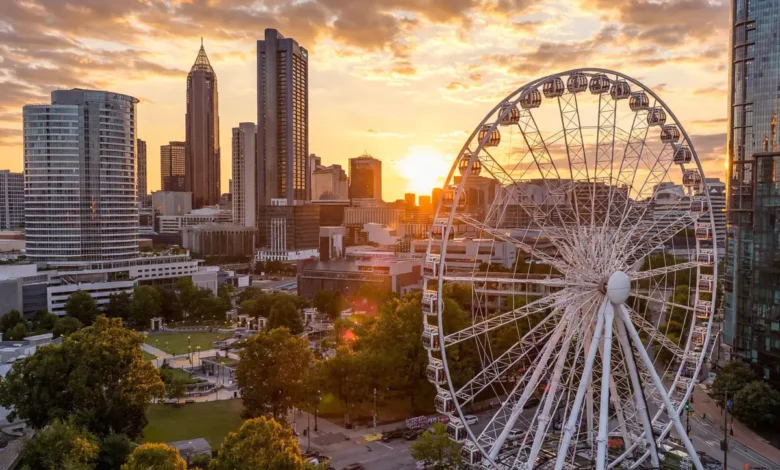
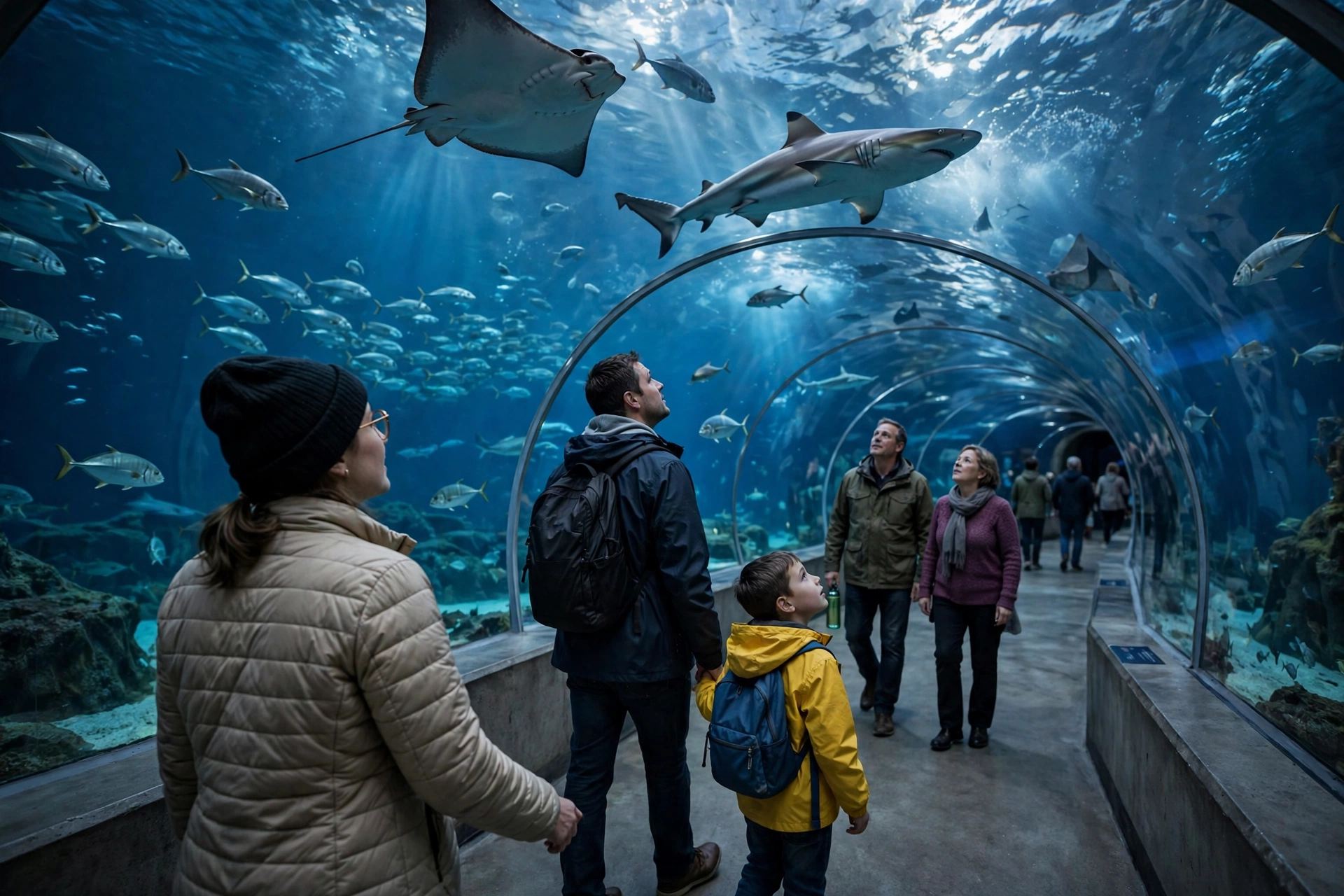
The Georgia Aquarium is the single most visited attraction in the city and the best place to start, because it is home to thousands of animals including whale sharks, beluga whales and manta rays, and its huge ocean tunnel lets you walk underneath sharks as they glide overhead. It sits in downtown Atlanta next to Centennial Olympic Park, the green heart of the city built for the 1996 Olympic Games, where the Fountain of Rings puts on a water show and families spread out on the lawns on sunny days. A short walk away is the World of Coca-Cola, a museum dedicated to the drink invented in Atlanta in 1886, where you can taste dozens of Coca-Cola products from around the world and see the vault that supposedly holds the secret formula. Together, these three attractions form a natural cluster that can fill a full day without needing a car.
Beyond the downtown cluster, the most meaningful stop in Atlanta is the Martin Luther King Jr. National Historical Park, which preserves the church where Dr King preached, his childhood home, and the memorial where he is buried. It is a quiet, moving place that gives the city its historical depth, and it is free to visit, which makes it one of the best-value experiences in Atlanta. If you are wondering what to do in Atlanta on your first morning, starting here sets the tone for everything else, because it explains the city before you explore it. Other highlights include the Atlanta Botanical Garden in Midtown, with its canopy walk through the trees and its famous orchid house, and the Fernbank Museum of Natural History, where giant dinosaur skeletons greet you in the entrance hall. Between them, these attractions cover nature, science, history and pure spectacle, and they are the reason Atlanta rewards more than a flying visit.
Which Neighbourhoods Should You Explore?
Atlanta is a city of neighbourhoods, and each one has a different personality, so choosing where to wander is half the fun of a first visit. Midtown is the most walkable central district, with the Botanical Garden, Piedmont Park, the High Museum of Art and a strip of restaurants and bars along Peachtree Street, and it is a good base for anyone who wants to explore on foot. Just east of downtown, the Old Fourth Ward has been transformed by the Atlanta BeltLine, a former railway loop turned into a walking and cycling trail lined with street art, food halls and breweries, and it is now one of the liveliest places in the city. Virginia-Highland, a little further north, is a leafy residential area with independent shops, cafes and brunch spots that feels like a small village inside the city.
For a different flavour, head to Little Five Points, Atlanta’s bohemian quarter, where vintage shops, record stores and colourful murals crowd the streets around the intersection of Moreland and Euclid avenues. Decatur, a separate small city just east of Atlanta, has a charming town square surrounded by bookshops, pubs and some of the best restaurants in the metro area, and it is easily reached by train. Buckhead, to the north, is the upmarket district of malls, hotels and fine dining, while the Westside, around the old warehouses near Howell Mill Road, has become the home of furniture showrooms, design studios and some of the city’s most creative restaurants. You cannot see all of these in one trip, so pick two or three that match your mood and give each one a proper half day rather than rushing through all of them.
Where Should You Eat in Atlanta?
Atlanta’s food scene is one of the best in the American South, and it goes far beyond the fried chicken and barbecue that the city is famous for, although those are well worth seeking out. Southern cooking is the foundation, and you will find excellent fried chicken, shrimp and grits, collard greens and peach cobbler in restaurants across the city, from long-established institutions to modern kitchens that put a fresh spin on the classics. Barbecue is a serious business here too, with slow-smoked pork, brisket and ribs served in joints that range from no-frills counters to smart dining rooms. But Atlanta is also one of the most diverse cities in the United States, and its Buford Highway corridor is lined with Vietnamese, Korean, Chinese, Mexican and Ethiopian restaurants that are among the best in the country, often at very reasonable prices.
For a first-time visitor, the practical approach is to plan one special meal a day and let the rest happen naturally. Book ahead for the well-known restaurants, because the popular ones fill up quickly, especially at weekends, and ask your hotel or a local for a recommendation rather than relying only on the first result on a review app. The city’s food halls are a good fallback, because places like Ponce City Market and Krog Street Market gather dozens of stalls under one roof, so a group with different tastes can all eat well without arguing about where to go. Do not skip breakfast either, because Atlanta does biscuits, grits and Southern breakfast plates properly, and a slow morning meal is a good way to start a day of sightseeing. Whatever your budget, the rule is the same: eat where the locals eat, and you will rarely go wrong.
What Can You Do in Atlanta for Free?
Atlanta has a surprising number of free things to do, and they include some of the city’s best experiences, which makes it a friendlier destination for budget travellers than its size might suggest. The Martin Luther King Jr. National Historical Park is free, as is Centennial Olympic Park, where you can watch the Fountain of Rings and enjoy the skyline views without spending anything. Piedmont Park, the city’s great central park, costs nothing to enter and is perfect for a picnic, a run or simply people-watching on a sunny afternoon. The Atlanta BeltLine is also free, and walking or cycling a section of it is one of the best ways to see the city’s street art and neighbourhoods without paying for a tour.
Other free options include the street art of the Krog Street Tunnel, a short graffiti-covered underpass that has become one of the most photographed spots in the city, and the window-shopping and people-watching of the Ponce City Market rooftop, where the views over the skyline are free even if the food is not. Many of the city’s museums offer free days or free evenings, so it is worth checking before you visit, and the public library in downtown Atlanta is an architectural landmark in its own right. The point is that a day in Atlanta does not have to be expensive to be memorable, and mixing one or two paid attractions with the free sights is the best way to balance the budget.
How Many Days Do You Need in Atlanta?
Three days is the sweet spot for a first visit to Atlanta, because it gives you enough time to see the main attractions without rushing and to spend an evening in one or two neighbourhoods. On day one, focus on downtown, starting with the Georgia Aquarium and the World of Coca-Cola, then walking through Centennial Olympic Park in the late afternoon. On day two, visit the Martin Luther King Jr. National Historical Park in the morning, explore the BeltLine and the Old Fourth Ward in the afternoon, and have dinner in one of the neighbourhood restaurants. On day three, choose between the Atlanta Botanical Garden and the High Museum of Art in the morning, then spend the afternoon in Decatur or Little Five Points, depending on whether you prefer bookshops and cafes or vintage shops and street art.
Two days is enough if you are short on time, but you will need to be selective, so pick the downtown cluster for one day and the civil rights sites plus one neighbourhood for the other. Four or five days lets you slow down properly, add a day trip, or explore the food scene in more depth, including a drive out along Buford Highway for some of the city’s best international restaurants. Whatever length you choose, do not try to cram everything into a single day, because Atlanta is a big city and the distances between districts are larger than they look on a map. A relaxed pace, with time to sit in a park or linger over a meal, is how the city is best enjoyed, and it is the difference between seeing Atlanta and actually experiencing it.
When Is the Best Time to Visit Atlanta?
The best time to visit Atlanta is spring or autumn, when the weather is warm without being oppressive and the city’s parks and gardens are at their best. Spring, from March to May, brings mild temperatures, blooming dogwoods and azaleas, and a full calendar of festivals, although it can also bring rain, so a light jacket and an umbrella are sensible. Autumn, from September to November, is similarly pleasant, with cooler evenings, clear skies and the changing colours of the trees in Piedmont Park and the Botanical Garden. Both seasons are ideal for walking the BeltLine, sitting outside at a restaurant, and exploring the neighbourhoods on foot, which is how the city is best seen.
Summer in Atlanta is hot and humid, with temperatures often in the thirties, and while the city does not shut down, sightseeing on foot becomes hard work in the middle of the day. If you do visit in summer, plan your outdoor activities for the morning and evening, spend the hottest hours inside the aquarium or a museum, and drink plenty of water. Winter is mild by American standards, with daytime temperatures usually in the teens, and it is the quietest and cheapest time to visit, although some outdoor attractions are less appealing in the cold and the trees are bare. The practical advice is to aim for spring or autumn if you can choose, to book accommodation early if you are coming for a major event or festival, and to check the weather forecast a few days before you travel so you can pack properly.
How Do You Get Around Atlanta?
Getting around Atlanta is the one part of a first visit that needs a little planning, because the city is spread out and the public transport network does not reach everywhere. The MARTA train system is the most useful option for visitors, because it connects the airport to downtown, Midtown, Buckhead and Decatur, and it is clean, safe and inexpensive. The MARTA bus network fills in the gaps, and the Atlanta Streetcar loops around the downtown attractions, although it is slow and mainly useful for short hops. For anything beyond the train lines, a ride-hailing app is the easiest option, and it is widely available across the city at all hours.
If you are planning to explore beyond the central districts, hiring a car is worth considering, because it gives you the freedom to visit places like Stone Mountain or the Buford Highway restaurants that are hard to reach by public transport. Driving in Atlanta is manageable, although the traffic on the highways can be heavy at rush hour, so allow extra time for any journey during the morning and evening peaks. Parking is generally available in garages downtown and in most neighbourhoods, although it can be expensive in the busiest areas. The simplest strategy for a first-timer is to stay somewhere central, use the train for the main journeys, walk within each neighbourhood, and use ride-hailing for the gaps in between.
Conclusion
What to do in Atlanta comes down to a simple formula: see the great attractions, walk the neighbourhoods, eat well, and leave time to enjoy the city at its own pace. The Georgia Aquarium, the civil rights sites and the BeltLine are the essentials, and everything else is a bonus that depends on your interests and how long you stay. Atlanta rewards visitors who look beyond the downtown cluster, because its neighbourhoods, its food and its parks are where the city’s real character lives. Plan the big sights in advance, book the restaurants you care about, and give yourself three days if you can. Done that way, a first visit to Atlanta is not just a tick on a list, it is a trip you will want to repeat.
What to Do in Atlanta in One Day?
If you only have one day in Atlanta, start at the Georgia Aquarium when it opens, then walk across to the World of Coca-Cola and Centennial Olympic Park for the late morning and lunch. In the afternoon, take the train to the Martin Luther King Jr. National Historical Park, which is free and deeply moving, and finish the day with a walk on the Atlanta BeltLine and dinner in the Old Fourth Ward. This route covers the city’s biggest attraction, its most important history and its liveliest neighbourhood in a single day, although it is a full schedule and you will need to keep moving. Wear comfortable shoes, carry water, and book the aquarium tickets in advance so you do not lose time queuing.
What to Do in Atlanta With Kids?
Atlanta is a very family-friendly city, and the Georgia Aquarium is the obvious highlight for children, with its whale sharks, dolphins and the ocean tunnel that lets them walk under the sharks. The World of Coca-Cola is also popular with children because of the tasting room, where they can try drinks from around the world, and Centennial Olympic Park has space to run around and a fountain to splash in on warm days. Older children may enjoy the Fernbank Museum of Natural History, with its giant dinosaurs, or the College Football Hall of Fame, which is interactive and hands-on. For a break from the attractions, Piedmont Park has playgrounds and open space, and the Atlanta Botanical Garden has a children’s garden that is designed for exploring.
Is Atlanta Safe for Tourists?
Atlanta is generally safe for tourists who take the same precautions they would in any large American city, and the main visitor areas such as downtown, Midtown, Buckhead and Decatur are well policed and busy with other visitors. Stay aware of your surroundings, keep valuables out of sight, avoid walking alone late at night in quiet or unfamiliar areas, and use ride-hailing or the train rather than walking long distances after dark. As in any city, some neighbourhoods have higher crime rates than others, so it is worth asking your hotel for advice about where to go and where to avoid. Most visitors have a trouble-free trip, and the usual common sense about personal safety is enough.
What Is Atlanta Famous For?
Atlanta is famous for several things, and they reflect the many sides of the city. It is the birthplace of Martin Luther King Jr. and the centre of the American civil rights movement, it is the home of Coca-Cola, which was invented here in 1886, and it hosted the 1996 Olympic Games. It is also a major centre for music, particularly hip-hop, and for film and television production, earning it the nickname the Hollywood of the South. The city is the headquarters of major companies including Delta Air Lines and CNN, and it is home to the world’s busiest airport, Hartsfield-Jackson Atlanta International Airport. Together, these make Atlanta a city of unusual historical, cultural and economic importance.
Do You Need a Car in Atlanta?
You do not strictly need a car in Atlanta if you stay in a central area and plan to visit the main attractions, because the MARTA train connects the airport to downtown, Midtown, Buckhead and Decatur, and ride-hailing is widely available. However, a car is useful if you want to explore beyond the train lines, visit places like Stone Mountain, or eat along Buford Highway, where the best international restaurants are spread out along a busy road. Many visitors manage well without a car for two or three days, using the train for the main journeys and ride-hailing for the gaps, and only hiring a car for a single day if they want to take a day trip. The decision depends on your itinerary, but for a first visit focused on the central sights, public transport and ride-hailing are enough.
Source: Atlanta History Center