Septic Companies Near Me: How to Find a Trusted Local Installer
Septic companies near me are the local firms that install, repair, pump and maintain the septic systems that treat wastewater for homes not connected to a mains sewer, and the right one can save you thousands of dollars and a great deal of stress. A good septic company will inspect your system honestly, explain what actually needs doing, give you a clear written quote, and turn up when they say they will. A bad one can leave you with a half-finished job, a bill far bigger than the quote, or a system that fails again within months. This guide explains what septic companies do, when you need one, how to compare local firms fairly, what a proper quote should include, and the warning signs that your system needs attention before a small problem becomes an expensive emergency.


What Does a Septic Company Actually Do?
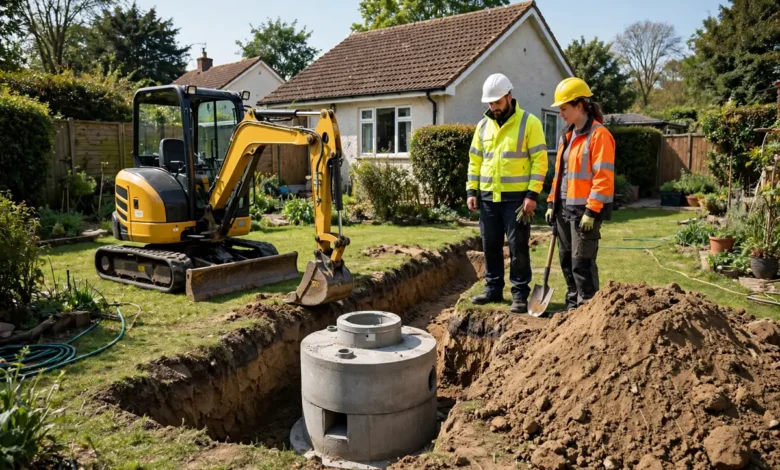
A septic company handles everything connected with the private wastewater system on your property, from the tank buried in the garden to the drainfield that filters the treated water back into the soil. The most common job is pumping out the septic tank, which means removing the built-up sludge and scum so the tank can keep working properly, and most households need this done every three to five years depending on the size of the tank and the number of people in the home. Septic companies also carry out inspections, often when a house is being bought or sold, and they repair or replace damaged parts such as baffles, pumps, filters and cracked pipes. Larger firms design and install complete new systems, including the tank, the distribution box and the drainfield, and they handle the permits and soil testing that usually go with a new installation.
Beyond the hands-on work, a good septic company also acts as an adviser, because most homeowners only think about their septic system when something goes wrong. The US Environmental Protection Agency (EPA) recommends regular inspections and pumping as the cheapest way to avoid system failure, and a reputable local firm will remind you when your tank is due rather than waiting for you to call in a panic. Many companies offer maintenance contracts that include a scheduled inspection and a pump-out at agreed intervals, which spreads the cost and keeps the system healthy. They can also advise on what not to put down the drains, because grease, wipes, chemicals and excessive water use are among the most common causes of premature septic failure, and a short conversation with a technician can prevent a repair bill running into thousands.
When Do You Need a Septic Company?
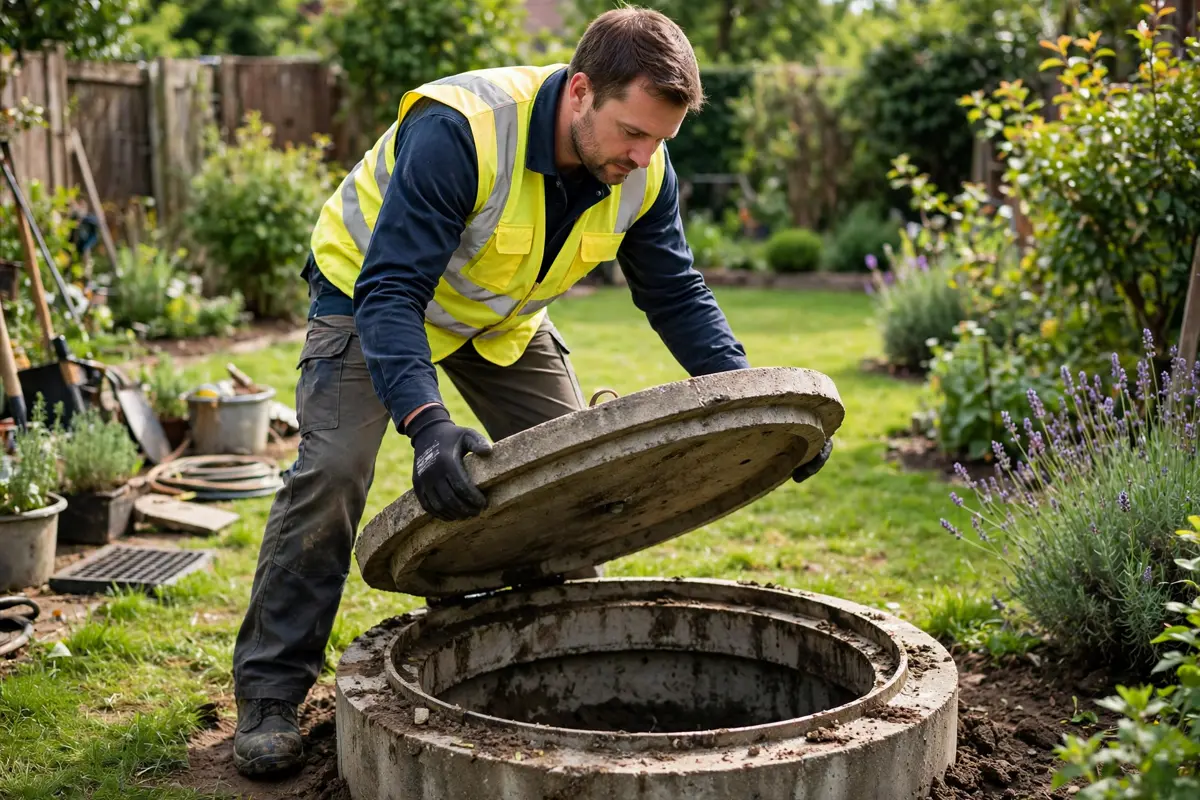
You need a septic company whenever your system shows signs of trouble, when routine maintenance is due, or when you are planning building work that affects the wastewater system. The routine cases are the easiest to plan: a pump-out every few years, an inspection before buying a house with a septic system, and a check-up after any flooding or heavy groundworks near the tank or drainfield. These scheduled visits are quick, relatively cheap, and they catch small problems such as a full tank or a blocked filter before they turn into a backup into the house. If you have just moved into a home with a septic system and you have no record of when it was last pumped, booking an inspection straight away is the sensible first step, because the previous owner may have left you a tank that is already overdue.
The urgent cases are harder to ignore, because a failing septic system announces itself in unpleasant ways. Slow-draining sinks and toilets, gurgling sounds in the pipes, sewage smells in the garden or inside the house, and wet or spongy patches of grass over the drainfield are all signs that something is wrong and a septic company should be called promptly. A backup of sewage into the home is an emergency that needs same-day attention, both for health reasons and because the longer wastewater sits in the house, the more damage it does to floors and fittings. You should also call a septic company before any extension, driveway or patio work near the system, because heavy vehicles and new structures can crush pipes or compact the soil over the drainfield, and a quick site visit beforehand is far cheaper than repairing the damage afterwards.
How Do You Choose Between Septic Companies Near Me?
Choosing between septic companies near me starts with checking that each firm is properly licensed and insured for the work you need, because septic installation and repair are regulated in most areas and an unlicensed operator can leave you with a system that fails inspection. Ask for the firm’s licence number and proof of insurance, and check whether they are members of a trade body or hold any relevant certifications, because these are simple checks that separate established professionals from fly-by-night operators. Local experience matters too, because soil conditions, water tables and local regulations vary widely, and a company that has worked in your area for years will know the ground conditions and the permit process far better than a firm from far away. Online reviews can help, but read them critically and look for patterns across many reviews rather than trusting a single glowing or angry comment.
Price matters, but it should never be the only factor, because the cheapest quote is often cheap for a reason. Get at least three written quotes for any job bigger than a routine pump-out, and compare them line by line rather than just looking at the bottom number, because one firm may include the permit, the soil test and the aftercare visit while another charges for each of those separately. Ask each company how long the job will take, what exactly is included, what guarantee they offer on the work, and how they will leave the site afterwards, because a good firm will answer these questions clearly and in writing. Finally, pay attention to how the company communicates, because a firm that returns calls promptly, explains things in plain language and turns up on time for a quote is far more likely to do the same during the job itself.
What Should a Septic Quote Include?
A proper septic quote should be written, itemised and specific enough that you can compare it fairly with other quotes, and anything vague or verbal should be treated with caution. At a minimum, it should state the exact work to be done, the materials to be used, the labour cost, any permit or inspection fees, the cost of removing and disposing of waste, and the price of restoring the ground afterwards, because digging up a garden and leaving it as a muddy trench is a common source of disputes. It should also state the start date, the expected duration, the payment terms, and what guarantee or warranty applies to the work, including how long the guarantee lasts and what it covers. If the quote mentions extra work that might be needed, such as replacing a damaged pipe discovered during excavation, it should explain how that extra work will be priced and agreed before it goes ahead.
It is also worth asking the company to confirm in the quote that they will obtain any necessary permits and arrange any required inspections, because this is part of the job on a new installation and the homeowner is usually responsible if the paperwork is not done. A reputable firm will also explain what happens if the job uncovers a bigger problem than expected, and will agree to stop and discuss it with you rather than carrying on and presenting a surprise bill at the end. Keep the written quote alongside any contract you sign, and do not pay the full amount upfront, because a standard arrangement is a deposit followed by staged payments or payment on completion. If a company pressures you to pay everything in advance or refuses to put the quote in writing, that is a strong reason to look elsewhere.
How Much Does Septic Work Cost?
Septic work costs vary widely depending on where you live, the size of the system, how easy the site is to access, and whether the job is routine maintenance or a major repair. As a rough guide in the United States, a routine tank pump-out typically costs a few hundred dollars, often in the region of $300 to $600 for a standard residential tank, while a detailed inspection with a written report usually costs a similar amount. Minor repairs, such as replacing a baffle, a filter or a pump, can cost anywhere from a few hundred to a couple of thousand dollars depending on the part and the labour involved. A full system replacement is a major project and commonly costs tens of thousands of dollars, with the final figure depending on the tank size, the soil conditions, the type of system required and the local permit fees, so it is the job where getting several quotes matters most.
The figures above are guide ranges only, and the only way to know what your job will cost is to get written quotes from local firms who have actually seen the site. Be cautious of any company that gives a firm price over the phone without an inspection, because they cannot know the condition of the tank or the drainfield until they have looked at it, and a low phone quote that rises sharply on the day is a classic warning sign. Also remember that the cheapest option is not always the best value, because a poorly installed or badly repaired system will cost far more in the long run than a properly done job. Ask each firm to break the price down so you can see what you are paying for, and check whether the quote includes the aftercare visit and any follow-up checks, because those are the details that turn a fair price into good value.
What Are the Warning Signs of a Failing Septic System?
A failing septic system usually gives you several warnings before it stops working completely, and learning to recognise them can save you from a sewage backup and a much larger repair bill. The most common early sign is slow drainage, where sinks, showers and toilets all drain more slowly than usual, especially when several are used at the same time, because that suggests the tank is full or the drainfield is struggling to absorb water. Gurgling sounds from the pipes, unpleasant smells around the drains or in the garden, and patches of unusually green or spongy grass over the drainfield are all further clues, because they mean wastewater is not being treated and dispersed as it should be. In the worst case, sewage backs up into the lowest drains in the house, which is both a health hazard and a clear emergency.
If you notice any of these signs, the first step is to stop putting extra water into the system, which means no long showers, no laundry and no dishwasher until the problem has been checked, because every litre you add makes the situation worse. Then call a septic company and describe the symptoms clearly, including when they started and whether they affect one drain or the whole house, because that information helps the technician decide how urgently to attend and what equipment to bring. Do not try to fix a failing system yourself by adding chemicals or additives, because most of these products do not solve the underlying problem and some can damage the bacteria that the system relies on. A professional inspection will usually identify the cause quickly, whether it is a full tank, a blocked filter, a damaged pipe or a saturated drainfield, and the earlier it is found, the cheaper it is to fix.
How Often Should a Septic Tank Be Emptied?
How often a septic tank should be emptied depends on the size of the tank, the number of people using it, and how much water the household uses, but the standard guidance is every three to five years for a typical family home. A small tank serving a large household may need pumping every two years, while a large tank serving one or two people may go five years or more between pump-outs, so the right interval is specific to your system rather than a fixed rule. The EPA advises having the system inspected at least every three years and pumped as needed, because an inspection measures the actual levels of sludge and scum in the tank and tells you whether a pump-out is due. Relying on a calendar alone is less reliable than relying on a measurement, because a household that uses a lot of water or has a garbage disposal will fill the tank much faster than one that does not.
The simplest way to stay on top of it is to keep a record of every pump-out and inspection, including the date and the name of the company, and to ask the technician to note the sludge level at each visit. Many septic companies offer a reminder service that contacts you when your tank is due, which takes the guesswork out of the schedule entirely. It is also worth remembering that regular pumping is far cheaper than repairing a failed drainfield, because a tank that is left too long can push solids into the drainfield and clog the soil, and a clogged drainfield is one of the most expensive septic problems to fix. A few hundred dollars spent on schedule is an investment, while the same money spent after a failure is only the start of a much bigger bill.
Conclusion
Septic companies near me are easy to find, but the difference between a good one and a bad one is the difference between a system that quietly does its job for decades and a system that fails at the worst possible moment. The firms worth hiring are licensed, insured, experienced in your area, willing to give a written itemised quote, and happy to explain the work in plain language before they start. Routine pumping and inspection are cheap insurance against the most expensive septic problems, and they are the single most effective thing a homeowner can do to keep the system healthy. So take the time to compare three local firms, check their credentials, read the quotes carefully, and keep a record of every visit. Your septic system works out of sight and out of mind, but a little attention now will save you a great deal of money, mess and stress later.
How Much Do Septic Companies Near Me Charge?
How much septic companies near me charge depends on the job, the size of your system and where you live, but as a rough guide a routine tank pump-out typically costs a few hundred dollars, often between $300 and $600 for a standard residential tank in the United States. A detailed inspection with a written report usually costs a similar amount, while minor repairs such as replacing a baffle, filter or pump can range from a few hundred to a couple of thousand dollars. A full system replacement is a major project that commonly costs tens of thousands of dollars, depending on tank size, soil conditions and permit fees. These are guide ranges only, and the only reliable price is a written quote from a local firm that has inspected your site, so always get at least three quotes for anything beyond a routine pump-out.
How Do I Know If My Septic Tank Needs Emptying?
The clearest sign that a septic tank needs emptying is slow drainage across several fixtures at once, often accompanied by gurgling sounds in the pipes or unpleasant smells around the drains. Wet or spongy patches of grass over the drainfield, or grass that is much greener there than elsewhere, can also mean the tank is full and solids are escaping into the soil. The most reliable check is an inspection, because a technician can measure the sludge and scum levels directly and tell you whether a pump-out is due. As a rule of thumb, most family homes need pumping every three to five years, and if you have no record of the last pump-out, booking an inspection straight away is the sensible step.
Can a Septic Company Work in Winter?
Yes, a septic company can usually work in winter, although frozen ground and snow can make the job slower and sometimes more expensive. Pumping a tank is normally possible in cold weather as long as the access lid can be found and uncovered, and experienced technicians carry equipment for thawing frozen lids and pipes. Major work such as installing a new drainfield may be delayed if the ground is frozen solid or waterlogged, because excavation in those conditions can damage the soil structure that the system depends on. If you know work is needed, it is better to book it before winter arrives, but a genuine emergency such as a sewage backup should never wait for better weather.
Do I Need a Permit for a New Septic System?
In most areas you do need a permit for a new septic system, and often for a major repair or replacement as well, because the system affects groundwater and public health. The permit process usually involves a soil test, a site evaluation and a design that meets local regulations, and the work must then be inspected before the system is covered over. A reputable septic company will normally handle the permit application as part of the job and will include the permit fee in the written quote, so ask about this when you compare firms. Doing the work without a required permit can lead to fines, problems when you sell the house, and a system that has to be dug up and redone, so it is never worth skipping.
How Long Does a Septic System Last?
A well-maintained septic system typically lasts between twenty and forty years, with the tank itself often lasting longer than the drainfield, which is usually the part that fails first. Concrete tanks can last forty years or more, while steel tanks tend to last twenty to thirty years before corrosion becomes a problem. The lifespan depends heavily on maintenance, because regular pumping, careful water use and keeping vehicles and heavy structures off the drainfield all extend the life of the system significantly. Systems that are neglected, overloaded or damaged by chemicals and grease can fail in as little as ten years, which is why the small cost of routine care is one of the best investments a homeowner can make.