

Self Defense Classes Near Me: Costs, Styles, and What to Expect
Self defense classes near me are local training sessions that teach practical skills for staying safe, including awareness, de-escalation, escaping holds, striking, and ground defence, and they are open to complete beginners of almost any age, size, and fitness level. Most classes run for 60 to 90 minutes, meet once or twice a week, and combine a warm-up, technique drills with a partner, and simple scenario practice, so you build confidence gradually rather than being thrown into anything intimidating on day one. This guide explains the main styles you will come across, how to find a good school near you, what lessons typically cost, what your first class feels like, and how to train safely so the skills you learn actually stay with you.


You do not need to be fit, strong, or athletic to start, and that is one of the most important things to understand before you search, because good self defence is built on awareness, balance, leverage, and technique rather than on overpowering an attacker. Many students begin after a frightening experience, a move to a new city, a change in routine such as a late-night commute, or simply a wish to feel more confident walking home, and instructors who work with beginners expect exactly that. The right class will meet you where you are, explain everything in plain language, and never make you feel embarrassed for asking questions or for moving at your own pace.
What Are Self Defense Classes and Who Are They For?
Self defense classes teach you how to recognise danger early, avoid it where possible, and protect yourself physically if avoidance fails, and the best courses spend as much time on awareness and decision-making as they do on physical technique. A typical syllabus covers reading body language and surroundings, using your voice and posture to set boundaries, escaping common grabs and holds, striking with hands, elbows, knees, and feet, and getting up safely if you are knocked down, along with the legal basics of reasonable force in your country. The emphasis is always on getting away safely rather than on winning a fight, which is why good instructors repeat the same message in every session: the best self defence outcome is the one where nobody gets hurt and you go home safe.
These classes are for almost everyone, including teenagers, university students, office workers, parents, older adults, and people who have never done any sport or martial art, and many schools run separate sessions for women, for children, and for older students so the pace and the scenarios fit the group. You do not need previous experience, special clothing beyond comfortable sportswear, or a training partner, because most schools pair beginners with experienced students who know how to practise gently and safely. If you have a health condition, an old injury, or a disability, tell the instructor before your first session, because a good school will adapt the drills for you rather than expecting you to keep up with everyone else.
Which Style of Self Defense Class Should You Choose?
The style you choose matters less than the quality of the teaching, but it helps to know the main options you will see when you search for self defense classes near me, because each one has a different flavour and a different learning curve. Krav Maga is a practical system built around fast, simple responses to common attacks, and it suits people who want usable skills quickly without learning forms or competing, while Brazilian jiu-jitsu focuses on ground control and escapes and is excellent for smaller people who want to handle a larger attacker. Karate, taekwondo, and judo are traditional martial arts that build discipline, balance, and striking or throwing technique over months and years, and boxing or kickboxing classes build fitness, timing, and confidence with pads and bags, even when they are not taught as self defence specifically.
When you compare styles, ask yourself what you actually want: if your goal is practical confidence within a few months, a reality-based system such as Krav Maga or a dedicated self defence course may suit you best, whereas if you enjoy structure, grading, and long-term progress, a traditional martial art could keep you motivated for years. Many schools offer a free trial class, and that trial is the best test of all, because you will feel within one session whether the instructor explains clearly, whether the atmosphere is welcoming, and whether the drills feel realistic or staged. Avoid any school that promises you will be street-ready in a weekend, that refuses to let you watch a class first, or that teaches techniques that only work when your partner cooperates perfectly.
How to Find Self Defense Classes Near Me
The quickest way to find self defense classes near me is to search on a maps app and then shortlist schools by reputation, instructor credentials, and class structure rather than by the flashiest website or the cheapest price. Look for instructors who name their qualifications, explain their background, and can tell you how long they have taught beginners, and check whether the school belongs to a recognised association or follows a clear syllabus, because a structured curriculum is a good sign that the teaching is thoughtful rather than improvised. Read recent reviews from students, especially comments about how beginners are treated, how safe the sparring is, and whether the instructor adapts to different abilities, and pay attention to any review that mentions pressure to sign long contracts or buy expensive equipment on day one.
You can also find classes through community centres, gyms, universities, and local councils, which often run affordable beginner courses, women-only sessions, or short taster workshops that are ideal if you are not ready to commit to a monthly membership. When you contact a school, ask whether you can watch a class before joining, what a trial lesson costs, how large the classes are, whether beginners train separately at first, and what the monthly fee includes, because the answers will tell you a lot about how the school treats new students. A good school will invite you to visit, answer every question patiently, and let you decide in your own time, while a school that demands a long contract before your first lesson deserves a second look.
How Much Do Self Defense Classes Cost Near Me?
The cost of self defense classes varies by location, style, and format, so treat any figure as a guide and always confirm the full price, including joining fees and equipment, before you sign up. As a broad range, a single drop-in class in the UK typically costs around £10 to £25, a monthly membership with one or two classes a week usually runs around £40 to £100 per month, and a short beginner course of six to eight weeks often costs around £80 to £200 in total, with prices in London and other large cities sitting toward the higher end. In the United States, drop-in classes commonly cost roughly $15 to $35, monthly memberships often run $80 to $200, and short courses vary widely depending on the school and the length of the programme.
Short courses and workshops can be good value if you want to learn the basics without a monthly commitment, and some community centres and charities run low-cost or free sessions, particularly for women, students, and older adults, so it is worth checking local listings before you pay full price at a private school. Be cautious of very cheap online-only deals that promise a black belt by video, because self defence is a physical skill that needs a live partner, a qualified instructor, and a safe space to practise in, and no video can replace that. Also check what the fee covers, since some schools charge extra for grading, uniforms, or protective gear, and a school that is honest about its total costs up front is usually a school you can trust with the rest of the experience.
What Happens in Your First Self Defense Class?
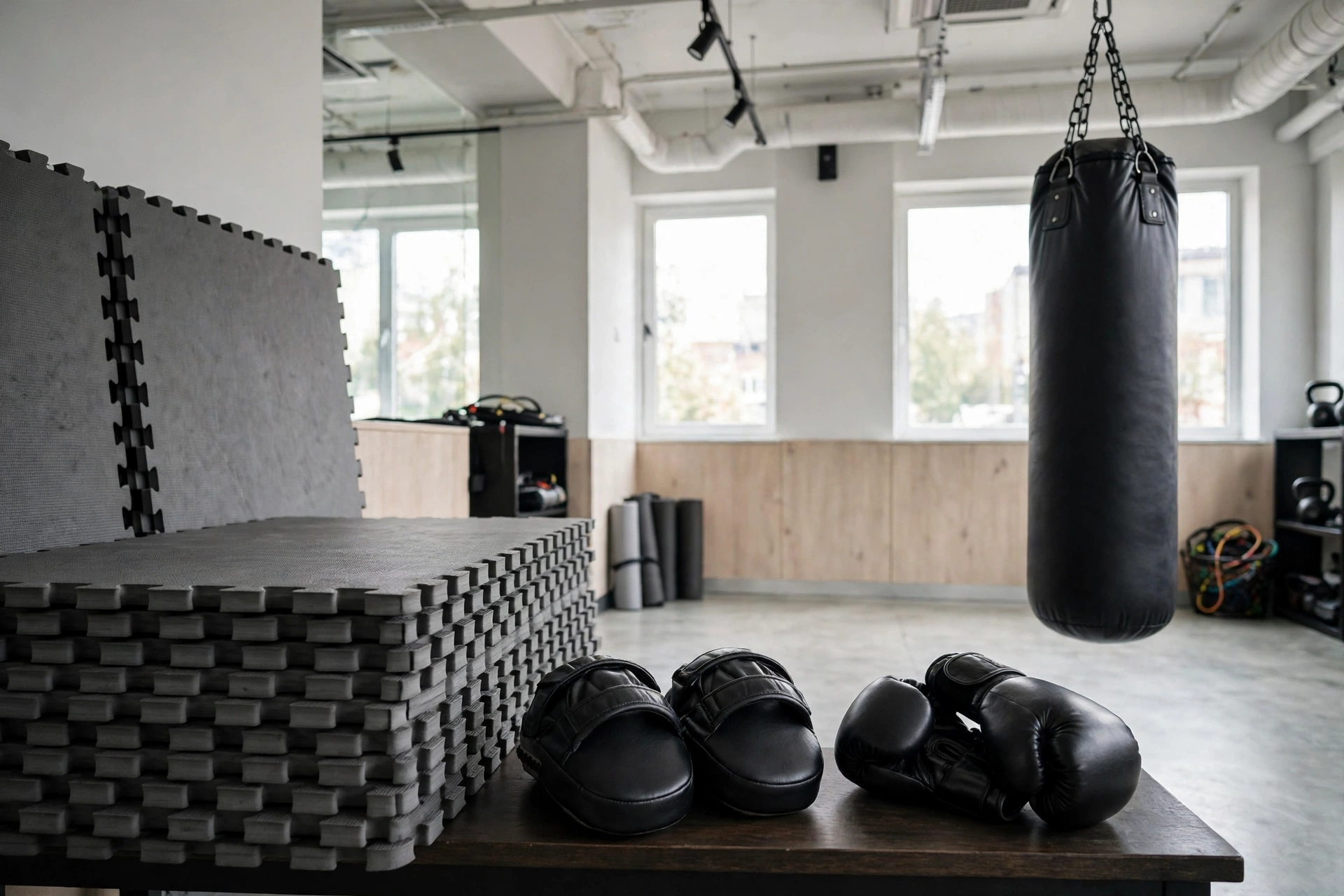
Your first self defense class usually begins with a friendly introduction, a warm-up, and a simple explanation of the ground rules, including how to practise safely with a partner and how to stop any drill immediately if something hurts. The instructor will then demonstrate a small number of basic techniques, such as a defensive stance, a palm strike, an elbow strike, or an escape from a wrist grab, and you will practise each one slowly with a partner, repeating the movement until it feels natural before anyone adds speed or resistance. There is no test on your first day, no expectation that you will be good at anything yet, and no pressure to spar, and most beginners are surprised by how much of the session is spent talking, watching, and moving gently rather than hitting anything hard.
By the end of the session you will usually have practised two or three core moves, taken part in a simple awareness exercise, and had a chance to ask questions, and you may feel pleasantly tired and more alert rather than exhausted. Wear comfortable clothes you can move in, flat trainers or bare feet depending on the school, and bring a water bottle, and arrive a few minutes early so you can meet the instructor and mention any injury or concern. It is normal to feel nervous before your first class, and every experienced student in the room felt the same way once, so give yourself permission to be a beginner and judge the school on how welcome it makes you feel rather than on how much you learned in a single hour.
How to Stay Safe and Get the Most Out of Your Training
Training safely is what makes self defence classes work over the long term, because an injury in your first month can end your training before the skills have had time to become habit. Always warm up properly, tell your partner and your instructor if a technique hurts, and practise at a controlled speed until the movement is correct, because speed without control is how shoulders, wrists, and knees get injured. Wear any protective gear the school recommends, such as gloves, gum shields, or shin pads when the drills call for them, and never let anyone pressure you into hard sparring or full-contact practice before you are ready, since a responsible instructor will build contact up gradually and will always let you opt out.
Getting the most from your training is mostly about consistency and mindset, so aim to attend regularly, even if that means once a week, and practise the basics between classes by rehearsing awareness habits such as noticing exits, keeping your phone away while walking, and trusting your instincts when a situation feels wrong. Ask questions whenever something is unclear, because instructors would rather explain a technique three times than watch you practise it wrong for a month, and consider keeping a short note after each class of the two or three things you learned. Over time, the techniques become automatic and the real benefit shows up in your everyday confidence, in how you carry yourself, and in how quickly you notice and avoid trouble before it starts.
Conclusion
Finding the right self defense classes near me is less about picking a famous style and more about finding a school with a good instructor, a welcoming atmosphere, and a sensible approach to safety, because those are the things that will keep you training long enough for the skills to matter. Costs vary by location and format, so compare a few schools, take a trial class wherever you can, and pay attention to how beginners are treated, how clearly techniques are explained, and whether the school is honest about what a course can and cannot do for you. The best class is the one you will actually attend week after week, so choose the school that feels right and fits your life, not just the one with the loudest advertising.
Remember that self defence begins long before any physical technique, with awareness, boundaries, and the confidence to walk away from trouble whenever you can, and that the physical skills are a last resort rather than a first response. Start as a beginner, be patient with yourself, train consistently, and let the confidence build naturally over weeks and months, because that steady progress is worth far more than any single dramatic technique. If you take one step today, make it a simple one: visit a local class, watch a session, and talk to the instructor, because that first visit is often the hardest part, and everything after it gets easier.
Do I need to be fit to start self defense classes?
No, you do not need to be fit to start self defense classes, because good beginner courses are designed for people of all fitness levels and build strength, balance, and coordination gradually through the training itself. Instructors expect new students to tire quickly at first, they adapt drills to different abilities, and your fitness will improve naturally as you attend regularly, so lack of fitness is a reason to start rather than a reason to wait.
How long does it take to learn self defense?
Basic awareness skills and a handful of simple escapes and strikes can be learned in a short beginner course of six to eight weeks, but real confidence and reliable technique take several months of regular practice, because self defence depends on habits and reflexes that only form through repetition. A good school will be honest that there is no shortcut, and the students who improve fastest are usually the ones who attend consistently and practise the basics patiently rather than chasing advanced techniques too soon.
Are self defense classes suitable for women and older adults?
Yes, self defense classes are suitable for women and older adults, and many schools run dedicated sessions for women, for teenagers, and for older students, with techniques chosen for real-life situations and adapted to different levels of strength and mobility. If you have a health condition or an injury, tell the instructor before your first class, because a good school will modify the drills for you, and personal safety charities such as the Suzy Lamplugh Trust also publish practical safety advice that complements physical training.
What should I wear to my first self defense class?
Wear comfortable sports clothing you can move and stretch in, such as a t-shirt, jogging bottoms or leggings, and flat trainers or bare feet depending on the school’s rules, and bring a bottle of water and a small towel. Avoid jewellery, watches, and anything with zips or buckles that could catch or scratch a training partner, and check with the school beforehand whether they provide gloves or pads or whether you need to bring your own.
