If you have been searching online for what is a bronco test, you are not alone. This fitness assessment has gained significant attention among athletes, coaches, and sports enthusiasts because of its ability to measure endurance, speed, and overall conditioning. Unlike traditional running tests that focus solely on distance or pace, the Bronco Test combines shuttle running with repeated changes of direction, creating a more demanding and realistic assessment of athletic performance.


The test was originally popularised in rugby, where players must constantly accelerate, decelerate, and recover during matches. Today, many sports organisations use it as a benchmark for fitness. Understanding what is a bronco test can help athletes evaluate their current conditioning levels and identify areas that need improvement. It is regarded as one of the most effective ways to assess a player’s ability to perform under physical fatigue.
What Is a Bronco Test in Rugby?
When people ask what is a bronco test in rugby, they are usually referring to the fitness challenge used by professional rugby teams around the world. Rugby is a physically demanding sport that requires players to maintain high levels of endurance while repeatedly sprinting, tackling, and changing direction. The Bronco Test reflects these match conditions more accurately than many other fitness assessments.
Professional rugby clubs often include the test in pre-season training programmes and player evaluations. Coaches use the results to determine whether athletes possess the stamina and recovery ability needed to perform at a high level. Because rugby matches involve constant movement and bursts of intense effort, the Bronco Test has become one of the most trusted measures of rugby-specific fitness.
How Does the Bronco Test Work?
To understand what is a bronco test, it is important to know how the challenge is structured. The test requires four markers positioned at the starting line, 20 metres, 40 metres, and 60 metres. Participants begin at the start line and run to each marker before returning to the starting point. This sequence creates a demanding shuttle-running pattern that tests both endurance and agility.
The athlete runs to the 20-metre marker and back, then to the 40-metre marker and back, and finally to the 60-metre marker and back. This complete sequence is repeated five times without rest. In total, participants cover 1,200 metres. The objective is simple but challenging: complete the distance as quickly as possible while maintaining consistent speed and efficient turns throughout the test.
Rules and Standards of the Bronco Test
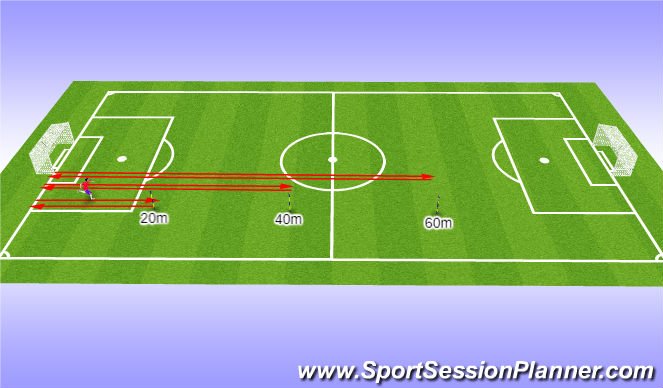
The Bronco Test follows straightforward rules designed to ensure fairness and consistency. Athletes must reach or cross each designated line before turning and returning to the starting point. Failing to touch the required markers or cutting corners can result in inaccurate scores and may invalidate the attempt in competitive testing environments.
Maintaining proper technique is just as important as speed. Athletes who pace themselves effectively often achieve better results than those who sprint aggressively at the start. Smooth turns, controlled breathing, and efficient movement patterns can make a significant difference in overall performance. Understanding these standards is an important part of learning what is a bronco test and how to excel in it.
Bronco Test Scores and Performance Benchmarks
One of the most common questions associated with what is a bronco test concerns scoring. The final score is based on the total time required to complete all five shuttle-running sets. Faster times indicate higher levels of fitness, endurance, and recovery ability. As a result, athletes often use their scores to monitor progress and compare performance over time.
Elite rugby players frequently complete the test in less than four and a half minutes. Times under five minutes are generally considered excellent, while scores between five and six minutes demonstrate a solid level of fitness. Athletes who exceed six minutes may benefit from additional endurance and conditioning work. These benchmarks provide useful guidance for individuals aiming to improve their athletic performance.
Benefits of the Bronco Test
One reason the Bronco Test has become so popular is its ability to assess multiple aspects of fitness simultaneously. Instead of measuring endurance alone, it evaluates aerobic capacity, speed endurance, acceleration, agility, and recovery. This comprehensive approach makes it particularly valuable for athletes involved in team sports.
Another significant advantage is the simplicity of the setup. The test requires minimal equipment and can be performed on most sports fields or training grounds. Coaches appreciate its practicality because it allows them to evaluate large groups of athletes efficiently while generating reliable and meaningful performance data.
Limitations of the Bronco Test
Although the Bronco Test is highly respected, it is not a complete measure of athletic ability. The assessment focuses heavily on cardiovascular fitness and running performance, meaning it does not evaluate strength, power, technical skills, or tactical awareness. Athletes should therefore view it as one component of a broader fitness assessment programme.
Environmental conditions can also influence results. Factors such as weather, playing surface quality, and accumulated fatigue may affect performance on the day of testing. While the Bronco Test remains an excellent fitness indicator, coaches often combine it with other assessments to gain a more comprehensive understanding of an athlete’s overall capabilities.
How to Improve Your Bronco Test Time
Improving performance in the Bronco Test requires a combination of endurance training, speed development, and strategic preparation. Interval running sessions are particularly effective because they teach the body to recover quickly between periods of intense effort. These workouts help athletes build the cardiovascular capacity needed to sustain high performance throughout the test.
Practising shuttle runs is equally important because efficient turning techniques can save valuable seconds. Strength training also plays a role by improving acceleration and movement efficiency. Athletes who consistently combine endurance work, speed training, and recovery strategies often experience noticeable improvements in their Bronco Test scores over time.
Bronco Test Compared with Other Fitness Assessments
The Bronco Test is frequently compared with other popular assessments such as the Beep Test and the Yo-Yo Test. While all three evaluate fitness, they focus on slightly different qualities. The Beep Test gradually increases running intensity, whereas the Bronco Test places greater emphasis on repeated directional changes and sustained effort.
Many coaches believe the Bronco Test is more relevant for rugby players because it closely resembles the movement patterns experienced during competitive matches. The frequent accelerations, decelerations, and turns make it a practical tool for assessing real-world sports fitness rather than simply measuring cardiovascular endurance in isolation.
Conclusion
Understanding what is a bronco test provides valuable insight into one of the most effective fitness assessments used in modern sport. Its combination of endurance, speed, agility, and recovery makes it a powerful tool for evaluating athletic performance across a range of disciplines, particularly rugby.
Whether you are an aspiring athlete, a coach, or simply interested in sports conditioning, the Bronco Test offers a reliable benchmark for measuring fitness. By training consistently and focusing on both endurance and movement efficiency, athletes can improve their scores and develop the physical qualities needed to perform at their best on the field.