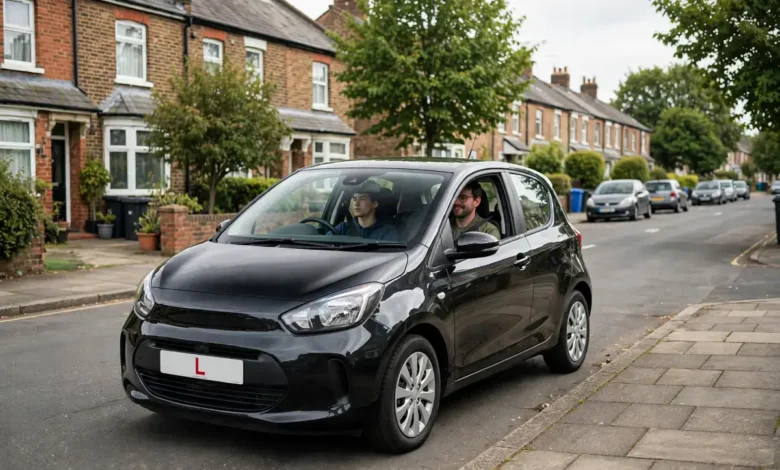
The best driving schools near me are the ones with fully qualified DVSA-approved instructors, transparent prices, and a lesson plan built around your test date, rather than the school with the biggest advert or the cheapest headline rate. Start by searching the official GOV.UK instructor finder for your postcode, shortlist two or three local schools, check that each instructor displays a green ADI badge, compare hourly rates and block-booking discounts, and read recent reviews from learners who passed at your local test centre. That short check takes less than an hour and saves you from wasted lessons, surprise fees, and an instructor who is not properly qualified.
This guide walks you through that whole process step by step, so you can book with confidence even if you have never sat in the driver’s seat before. You will learn how to search your area properly, which qualifications actually matter, what lessons should cost in 2026, how many hours most learners need, and the warning signs that should make you walk away. Every figure in this article comes from an official or clearly named source, with its date attached, because the price of a wrong choice here is measured in hundreds of pounds and months of delay.
How to Find Driving Schools Near Me That Are Actually Good
The fastest reliable way to find driving schools near me is to start with the official GOV.UK service that lists driving schools, lessons and instructors, because every instructor on it holds a current DVSA registration. Enter your postcode and you will see approved instructors in your area, which gives you a verified starting list instead of a random set of adverts. From there, ask friends, family or colleagues who passed recently in your town, since a recommendation from someone who learned on your local roads is worth far more than a five-star review from a stranger in another city.
Once you have a shortlist of two or three names, compare them properly before you pay for anything. Look for recent reviews that mention your local test centre by name, check whether the school teaches on the roads around that centre, and see how quickly they answer the phone or reply to messages, because slow communication now usually means cancelled lessons later. A short trial lesson with your top choice is the best test of all, since it shows you the instructor’s teaching style, the condition of the car, and whether you feel comfortable enough to learn. You can find the official instructor search at GOV.UK.
What to Check Before You Book Your First Lesson
The single most important check is the instructor’s badge, because in Great Britain only a fully qualified Approved Driving Instructor (ADI) or a licensed trainee may legally charge for car lessons. A qualified ADI displays a green badge in the car windscreen, while a trainee displays a pink badge, and the badge should carry the instructor’s photograph, a registration number and an expiry date. Ask to see it on your first lesson and cross-check the instructor on the DVSA register, since an instructor who cannot show a current badge is a serious warning sign. ADIs also pass an enhanced DBS check when they qualify and face a DVSA standards check at least once every four years.
Beyond the badge, check the practical details that decide whether lessons run smoothly week after week. Ask whether the car has dual controls, which let the instructor brake if needed, and whether it is the same car you will use for your test. Confirm the lesson length, the cancellation notice period, how you pay, and whether the price changes for evenings or weekends. Also ask which test centre the instructor usually uses and whether lessons cover the routes around it, because local knowledge of tricky junctions and roundabouts near your centre is one of the most useful things an experienced local instructor can offer you.
How Much Do Driving Lessons Cost Near Me
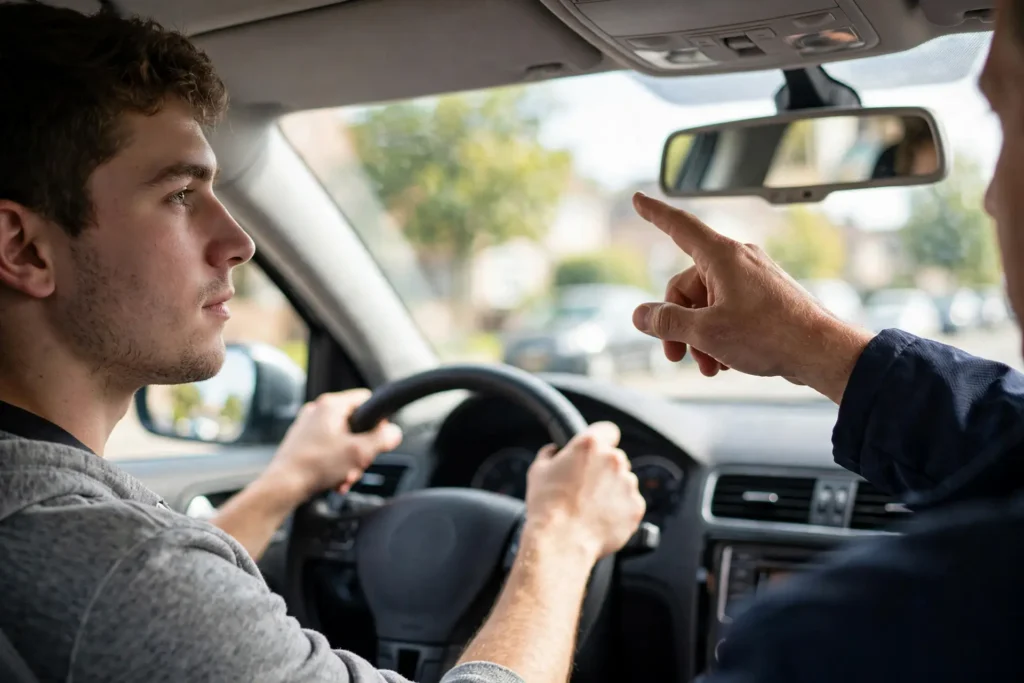
When you compare driving schools near me on price, the honest benchmark as of November 2026 comes from the DVSA’s own instructor survey, which found the most common price band was £36 to £40 per hour, charged by just over half of responding instructors in October 2025. The RAC describes roughly £35 to £50 per hour as a good price, with London and the South East typically running higher than the rest of the country. Office for National Statistics price quotes collected between March and August 2026 put the median one-hour lesson at £40, with the middle half of quotes falling between £37 and £44. Any quote far below that range deserves a second look, because it may come from an unregistered instructor or hide extra charges elsewhere.
The hourly rate is only part of the bill, so work out the full cost before you commit to a school. The DVSA’s long-standing guidance is that the average learner needs around 45 hours of professional tuition plus 22 hours of private practice, which at £36 to £40 per hour means roughly £1,620 to £1,800 for lessons alone. Official fees add a further £119, made up of a £34 provisional licence when you apply online, a £23 theory test and a £62 weekday practical test, with the practical test rising to £75 for evenings, weekends and bank holidays, according to GOV.UK fees as of November 2026. Block bookings of ten or twenty hours often cut the hourly rate, but pay by card where possible and avoid paying a large sum upfront to a school you have not yet tried.
Manual or Automatic: Which Option Suits You Best
The choice between manual and automatic shapes both your lessons and your licence, so it is worth deciding before you book a block of hours. A manual licence lets you drive both manual and automatic cars, while an automatic-only licence restricts you to automatic cars, which matters if you later want to buy a cheaper used manual car or drive a work vehicle. Manual lessons are also usually slightly cheaper per hour and available from more instructors, while automatic lessons can cost a little more because automatic cars are often newer and fewer instructors run them. For many learners, though, the real question is which car they will feel confident in fastest.
Automatic cars remove gear changes and clutch control, which frees up your attention for junctions, roundabouts and hazard awareness, and that is why some nervous learners progress faster in them. They are also the natural fit if you expect to drive an electric car, since every electric car is effectively automatic. The best way to decide is to think about the car you will actually drive after you pass, take one trial lesson in each type if you can, and ask the school to be honest about which option suits your confidence and your budget. Switching from manual to automatic halfway through usually costs you several lessons, so a careful choice at the start genuinely saves money.
How Many Lessons Will You Need Before Your Test
The DVSA’s long-standing guidance is that the average learner needs around 45 hours of professional tuition plus 22 hours of private practice before they are ready for the practical test. That figure is an average drawn from learners who passed, not a minimum and not a target, so some people need far fewer hours and others need far more, and neither group has done anything wrong. The national picture shows why readiness matters more than speed: in the financial year 2025 to 2026, the DVSA recorded a car practical pass rate of 50.0% in Great Britain, with 1,000,043 passes from 1,998,621 tests, according to DVSA table DRT121A last updated on 3 September 2026. First-attempt candidates passed at 50.5% in the same year.
Your own total will depend on how often you take lessons, whether you can practise privately with a suitable accompanying driver, and how quickly you master the skills that cause most failures. Taking two lessons a week keeps skills fresh far better than one lesson a fortnight, and regular private practice between lessons can cut the number of paid hours you need. Ask your instructor for a mock test once you have covered the syllabus, because a mock shows exactly which areas need work before you spend £62 or £75 on a real test. Book the practical test only when your instructor agrees you are consistently driving at test standard, not simply because a slot has come free.
Red Flags to Watch for When Choosing a Driving School
A few warning signs should make you pause before handing over any money to a driving school. The clearest is an instructor who cannot show a green ADI badge or a pink trainee badge in the car windscreen, since only registered instructors may legally charge for lessons in Great Britain. Other red flags include pressure to pay a large sum upfront before any trial lesson, cash-only payments with no receipt, a promise of a guaranteed pass, no written cancellation policy, and a price so low that no qualified instructor in your area could afford to charge it. A school that will not tell you who your instructor will be, or that keeps changing your instructor without explanation, is also worth avoiding.
If something feels wrong, take a few simple steps before you walk away or report it. Check the instructor’s name and badge number on the DVSA register, save every message and receipt, and ask the school to confirm its terms in writing. You can report an instructor who is charging for lessons without being registered to the DVSA, which investigates unregistered instruction. Most schools are honest and professional, and a careful first check protects you from the minority that are not, so treat the ten minutes it takes to verify an instructor as part of the cost of learning to drive rather than an optional extra.
Conclusion
Finding the right driving school is less about the first name in the search results and more about a short, careful check of qualifications, price and teaching style. Look for driving schools near me with DVSA-approved instructors, compare the full cost rather than a headline hourly rate, take a trial lesson before you pay for a block, and book your test only when your instructor says you are genuinely ready. Those four steps protect both your money and your time, and they are the same steps that the most successful learners follow.
Learning to drive is a significant investment, and in 2026 it typically costs well over £1,500 before you hold a full licence, so it deserves the same care you would give to any major purchase. Choose an instructor you trust, practise little and often, and treat every lesson as preparation for real driving rather than just for the test. Do that consistently, and the day you pass will feel like the natural result of a plan that worked, not a stroke of luck on the morning.
How do I find driving schools near me?
You can find driving schools near me by starting with the official GOV.UK instructor finder, which lets you search by postcode and shows DVSA-approved instructors in your area. That gives you a verified list to work from, rather than a set of paid adverts. Add recommendations from people who passed recently at your local test centre, then check recent reviews, compare hourly rates and block-booking prices, and book a trial lesson with your first choice before you commit to a full course of lessons.
The official finder is a good start but it is voluntary, so an instructor who does not appear on it is not automatically unqualified. Always ask to see the green ADI badge or pink trainee badge in the car windscreen on your first lesson, and confirm the instructor’s registration with the DVSA if you are unsure. Local knowledge matters too, so favour a school that teaches regularly around your test centre and on the roads you will actually drive on after you pass.
How much do driving lessons cost in the UK?
Driving lessons in the UK cost roughly £36 to £40 per hour as the most common price band, according to the DVSA’s October 2025 instructor survey, in which just over half of responding instructors charged within that band. The RAC describes roughly £35 to £50 per hour as a good price as of November 2026, with London and the South East typically dearer. Office for National Statistics price quotes from March to August 2026 put the median one-hour lesson at £40, so a quote far below £30 or far above £50 should prompt you to ask exactly what is included.
The full cost of learning to drive is much more than the hourly rate, because the DVSA suggests the average learner needs around 45 hours of professional tuition. At £36 to £40 per hour, lessons alone come to roughly £1,620 to £1,800, plus £119 in official fees for the provisional licence, theory test and weekday practical test, according to GOV.UK fees as of November 2026. Block bookings can reduce the hourly rate, but always compare the total cost of reaching test standard rather than the cheapest single lesson.
How many driving lessons do I need before my test?
The DVSA’s long-standing guidance is that the average learner needs around 45 hours of professional tuition plus 22 hours of private practice before taking the practical test. That figure is based on what successful learners typically needed, so it is a useful planning guide rather than a rule. Some learners pass with thirty hours, others need sixty or more, and the right number for you depends on how often you take lessons, whether you can practise privately, and how quickly you become confident with junctions, roundabouts and manoeuvres.
Frequency matters more than the raw total, because two lessons a week plus private practice usually produces faster progress than one lesson a fortnight. The national pass rate underlines the point: in 2025 to 2026, half of all car practical tests in Great Britain were passed, with 1,000,043 passes from 1,998,621 tests, according to DVSA table DRT121A last updated on 3 September 2026. Ask your instructor for a mock test when you have covered the syllabus, and book the real test only when you are driving at test standard consistently.
What should I check before choosing a driving instructor?
The first thing to check is that your instructor is registered with the DVSA, which you can confirm by looking for a green ADI badge for a fully qualified instructor or a pink badge for a licensed trainee in the car windscreen. Only ADIs and licensed trainees may legally charge for driving lessons in Great Britain, and ADIs must pass an enhanced DBS check and a DVSA standards check at least once every four years. If the badge is missing, expired or cannot be shown, do not pay for lessons and check the instructor on the DVSA register.
Then check the details that affect your learning week by week, including whether the car has dual controls, whether you will use the same car for your test, the lesson length, the cancellation policy and how payment works. Read recent reviews from learners who passed at your local test centre, ask which centre the instructor usually uses, and take a trial lesson to see whether the teaching style suits you. An instructor who explains mistakes calmly, sets clear goals for each lesson and tracks your progress is usually a better choice than the cheapest option.
Can I learn to drive in an automatic car only?
Yes, you can learn to drive entirely in an automatic car, and many learners choose this route because it removes gear changes and clutch control from the learning process. That lets you focus sooner on junctions, roundabouts, hazard awareness and manoeuvres, which is why some nervous learners progress faster in an automatic. It is also the natural choice if you plan to drive an electric car, since electric cars do not have a manual gearbox. You will take exactly the same theory test and the same practical test, just in an automatic car.
The trade-off is that passing in an automatic gives you an automatic-only licence, so you cannot legally drive a manual car afterwards without taking another practical test in a manual. A manual licence, by contrast, covers both manual and automatic cars, which gives you more choice when buying a used car or driving a work vehicle. Automatic lessons can also cost slightly more per hour, because automatic tuition cars are often newer. If you are certain you will only ever drive an automatic, the restriction costs you nothing, but if you want maximum flexibility, learning in a manual is the safer long-term choice.