
When people purchase a new appliance, one of the most common questions they ask is: do tumble dryers have transit bolts? This confusion usually happens because washing machines are well known for using transit bolts during transportation. These bolts are designed to protect the drum and internal components from damage while the appliance is being moved from the factory to your home. Many homeowners naturally assume tumble dryers work in exactly the same way.

Transit bolts play an important role in appliances with suspended drums. During transport, the drum can move around and damage sensitive parts if it is not secured properly. Washing machines especially require this protection because they spin at extremely high speeds. However, tumble dryers are built differently, which means their transport systems are often less complicated than many buyers expect. Understanding this difference can save time, prevent installation mistakes, and reduce unnecessary worry.
Do Tumble Dryers Have Transit Bolts?
The answer to the question “do tumble dryers have transit bolts” depends largely on the type of tumble dryer you own. Most standalone tumble dryers do not use traditional transit bolts because their drums are supported differently. Unlike washing machines, tumble dryers generally have rigid drum systems that do not move as freely during transportation. Because of this design, many manufacturers do not include transport bolts at all.
Even though most standalone models avoid using transit bolts, there are still some exceptions. Washer-dryer combinations often include them because they contain washing machine technology inside the same appliance. Certain heat pump and condenser dryers may also use transport supports or internal packaging to protect delicate parts during delivery. This is why reading the installation instructions before using the machine is always essential for safe setup.
Why Tumble Dryers Are Different From Washing Machines
One reason why people continue searching online for “do tumble dryers have transit bolts” is because tumble dryers and washing machines look very similar from the outside. Both appliances have a front-loading drum, similar dimensions, and almost identical installation spaces in many UK homes. However, the engineering inside the machines is very different, particularly when it comes to drum suspension and movement.
Washing machines generate powerful spinning forces during use, especially during high-speed spin cycles. These forces require advanced suspension systems that must be secured during transportation. Tumble dryers, on the other hand, rotate more gently and rely on support rollers instead of suspended drums. Because there is less internal movement, manufacturers often use foam packaging or lightweight supports instead of traditional transit bolts.
How to Check Whether Your Tumble Dryer Has Transit Bolts
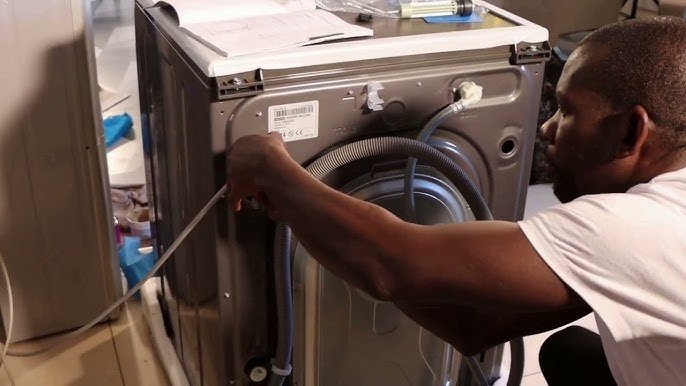
If you are unsure whether your appliance contains transport bolts, the first step is always checking the user manual. Manufacturers provide clear setup instructions that explain whether any protective packaging or transport systems must be removed before use. Ignoring these instructions can lead to vibration, noise, or even damage during operation.
You can also inspect the rear panel of the appliance carefully. Transit bolts are usually visible and easy to identify because they are larger than normal screws. Some dryers include warning labels or coloured spacers to guide installation. If you still feel uncertain, contacting the manufacturer or retailer directly is often the safest approach before switching the machine on for the first time.
Signs Your Tumble Dryer Still Has Transport Protection Attached
Many homeowners only begin asking “do tumble dryers have transit bolts” after hearing unusual noises from a newly installed machine. Loud banging, knocking, or heavy vibration may indicate that transport packaging or drum supports have not been removed properly. While these sounds can seem alarming, the issue is often simple to fix if identified early.
Another common warning sign is restricted drum movement. If the drum feels stiff or does not rotate smoothly, transport protection may still be attached inside the appliance. Some dryers also include automatic transport systems that release during the first cycle, causing temporary sounds that are considered normal. Reading the manual carefully helps distinguish between expected noises and genuine installation problems.
How to Remove Transit Bolts Safely
If your appliance does include transit bolts, removing them correctly is extremely important before operation. Begin by disconnecting the tumble dryer from the electrical supply and moving it into a stable working position. Use the recommended tools from the manufacturer’s instructions to loosen and remove each bolt carefully without damaging the surrounding panel.
After removing the bolts, inspect the appliance for additional spacers, foam inserts, or packaging materials. Some manufacturers include plastic caps to cover the bolt holes afterwards for a cleaner finish. It is also wise to store the removed bolts somewhere safe because you may need them again if the appliance is transported during a house move in the future.
Common Mistakes During Tumble Dryer Installation
One of the biggest installation mistakes is assuming every tumble dryer uses transit bolts. This misunderstanding often leads homeowners to spend unnecessary time searching for missing bolts that were never included with the appliance. In some cases, people accidentally remove important structural screws instead, which can create safety risks and operational problems.
Another common issue involves failing to level the appliance properly. Even if there are no transit bolts fitted, an uneven floor can cause vibration, noise, and poor performance. Good ventilation is equally important in UK homes, especially for condenser and heat pump models. Proper installation not only improves efficiency but also extends the lifespan of the appliance significantly.
Popular UK Tumble Dryer Brands and Transit Bolts
Many searches for “do tumble dryers have transit bolts” specifically mention brands such as Samsung, Beko, Candy, or Hoover. This happens because different manufacturers use different transport systems depending on the appliance design. Some premium models include advanced drum supports or transport locks to protect internal components during shipping.
Samsung washer-dryer combinations commonly use transit bolts because they contain washing machine technology. Beko and Candy condenser dryers sometimes include packaging supports that can easily be mistaken for transit bolts. Bosch and Hotpoint models may also use automatic drum stabilisation systems that release during first use. Because every model is unique, checking the official instructions remains the most reliable option.
Why Proper Installation Protects Your Appliance
Correct installation is one of the best ways to protect your tumble dryer from long-term damage. A poorly installed appliance may suffer from excessive vibration, overheating, and increased wear on moving parts. Small setup mistakes can eventually lead to expensive repairs or reduced energy efficiency over time.
Understanding the answer to “do tumble dryers have transit bolts” also gives homeowners greater confidence during installation. Instead of relying on conflicting online advice or assumptions, following the manufacturer’s guidance ensures the appliance operates safely and efficiently from the very beginning. This simple preparation can make a huge difference in the overall performance and lifespan of the machine.
Conclusion
So, do tumble dryers have transit bolts? In most cases, standalone tumble dryers do not include traditional transit bolts because their drum systems are designed differently from washing machines. However, some washer-dryer combinations and specialist models may still use transport bolts or protective support systems during delivery.
The best approach is always to check the user manual carefully before using a new appliance. Proper installation, safe removal of transport protection, and correct levelling will help your tumble dryer perform efficiently for years to come. By understanding how transport systems work, homeowners can avoid unnecessary confusion and ensure their appliance is ready for safe everyday use.