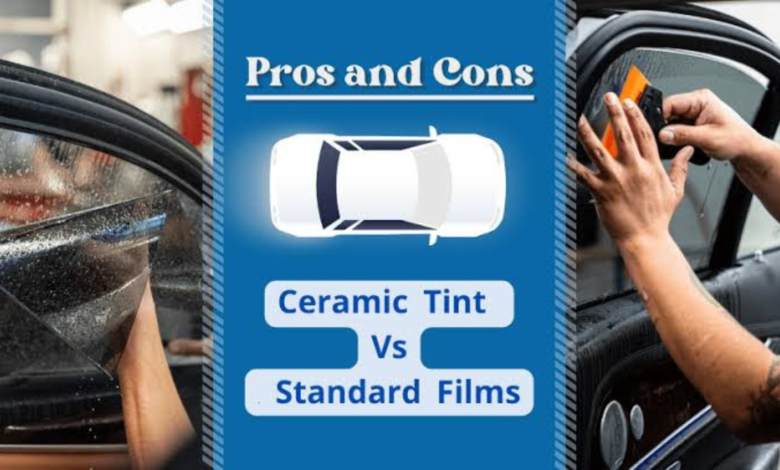
ceramic tint vs regular tint Ceramic tint outperforms regular tint in terms of durability and longevity. While regular tints may offer immediate benefits, ceramic films provide superior protection from heat and UV rays, making them a long-term investment for vehicle owners. When considering ceramic tint vs regular tint, it’s clear that the former offers significant advantages.

What is the Difference Between Ceramic Tint and Regular Tint?
The primary distinction lies in their construction and performance capabilities. Ceramic tint utilizes non-metallic, non-dye ceramic particles, which enhance its heat rejection and UV protection performance. Regular tint, often made from dyed materials, may reduce glare but lacks the same level of protection. When comparing ceramic tint vs regular tint, it’s evident that ceramic films resist fading, bubbling, and discoloration, which are common issues with traditional tints.
How Long Does Ceramic Tint Typically Last Compared to Regular Tint?
Ceramic tint typically lasts between 10 to 20 years or longer, making it an excellent choice for those seeking durability. In contrast, regular tint generally has a shorter lifespan due to fading and degradation over time. The longevity of ceramic films is attributed to their robust construction and advanced materials, which stand up to environmental factors better than standard tints. This longevity is a crucial factor in the ceramic tint vs regular tint debate.
Cost Comparison: Is Ceramic Tint Worth the Extra Cost?
The cost of ceramic tint is generally higher than that of regular tint, but many consider it a valuable investment. While regular tints may be appealing due to their lower initial price, they often require more frequent replacements. The enhanced heat rejection performance and UV protection benefits of ceramic films can lead to savings on energy bills and better vehicle preservation in the long run. This cost-effectiveness is another point to consider in the ceramic tint vs regular tint discussion.
Performance: Heat Rejection and UV Protection Benefits
Ceramic tints excel in heat rejection, blocking 95-99% of infrared heat, while regular tints typically offer much lower performance in this regard. This superior heat rejection can significantly improve comfort inside the vehicle, especially in hot climates. Additionally, ceramic films block more than 99% of harmful UV rays, providing better protection for passengers and the vehicle’s interior. When evaluating performance, the ceramic tint vs regular tint choice becomes clearer.
Visual Clarity and Nighttime Visibility: Which Tint is Better?
Both ceramic and regular tints can enhance visual clarity while reducing glare. However, ceramic tint tends to maintain clearer visibility at night, ensuring safer driving conditions. Regular tints may darken windows excessively, potentially impacting nighttime visibility, which could pose safety risks. This aspect is another important consideration in the ceramic tint vs regular tint evaluation.
Installation Process: Professional vs DIY
While both types of tints can be installed professionally or as a DIY project, professional installation is recommended for optimal results. Proper application is crucial to avoid bubbles and ensure the longevity of the film. Ceramic tints, due to their advanced technology, may require more expertise to install correctly, emphasizing the value of hiring a qualified technician. This need for professional installation is often highlighted in discussions about ceramic tint vs regular tint.
Frequently Asked Questions
What are the downsides of ceramic tint?
The downsides of ceramic tint have not been publicly disclosed. However, potential concerns may include the initial cost compared to regular tint.
Can you see out of ceramic tint better?
No verified answer is available regarding visibility through ceramic tint compared to other types.
Should I get 20% or 35% tint?
No verified answer is available regarding the best tint percentage for individual needs.
How does ceramic tint compare to carbon tint?
Ceramic tint blocks a significantly higher percentage of infrared heat compared to carbon tint, making it a superior choice for heat rejection performance.
Is ceramic tint worth the extra cost compared to regular tint?
Ceramic tint is often considered worth the extra cost due to its longevity, heat rejection capabilities, and UV protection benefits.
What are the maintenance requirements for ceramic tint?
Maintaining ceramic tint typically requires less frequent replacement and can be cleaned with non-abrasive solutions, as it is resistant to fading and bubbling.
Choosing between ceramic tint and regular tint involves evaluating factors like longevity, performance, and cost. When weighing ceramic tint vs regular tint, it’s essential to consider how these factors align with your needs. Ceramic tint, with its superior benefits, often proves to be the more advantageous option for vehicle owners.
You May Also Read: dot physicals near me