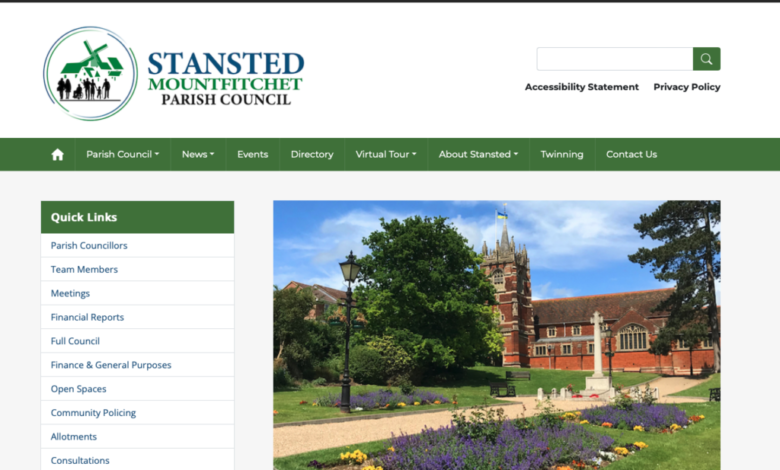
Parish council websites are now a central part of how local government communicates with residents across the United Kingdom. They provide essential information such as meeting agendas, minutes, planning updates, and community news. In an increasingly digital society, parish council websites ensure transparency and accessibility for every resident, regardless of age or technical ability, while supporting stronger engagement between councils and their local communities.

Modern expectations have significantly changed how councils operate online, and parish council websites must now meet higher standards of usability and compliance. Residents expect clear navigation, fast access to documents, and mobile-friendly design. A well-structured website is no longer just an information hub but a vital communication tool that supports trust, accountability, and efficient service delivery across all parish operations.
Importance of parish council websites
The importance of parish council websites lies in their ability to connect communities with local decision-making processes. They allow residents to stay informed about council meetings, upcoming events, and financial transparency reports. This level of openness helps build confidence in local governance and encourages greater participation in community discussions and public consultations.
Strong parish council websites also reduce administrative pressure on council staff by making information readily available online. Instead of handling repeated enquiries, councils can direct residents to updated digital resources. This improves efficiency while ensuring that communication remains consistent, accurate, and accessible to everyone in the parish.
Standards and compliance for parish council websites
Parish council websites must comply with strict legal and accessibility requirements in the UK. These include WCAG accessibility standards, which ensure that users with disabilities can easily access and interact with online content. Compliance also extends to the Transparency Code, which requires councils to publish financial and governance information in a clear and structured format.
Data protection regulations such as GDPR also play a critical role in shaping how parish council websites are managed. Councils must ensure that personal data is handled securely and that privacy policies are clearly displayed. Regular audits and updates are essential to maintain compliance and avoid legal risks while ensuring public trust remains strong.
Key features of effective parish council websites
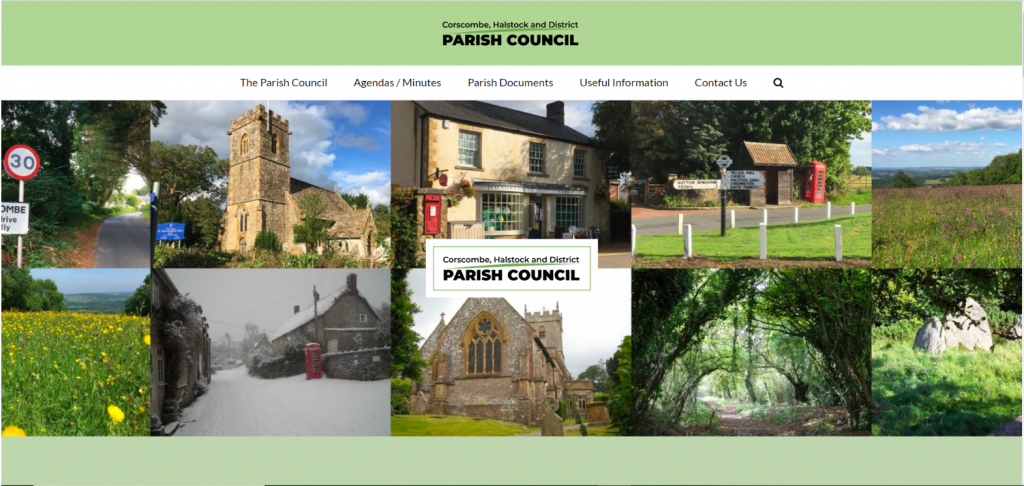
Effective parish council websites should include essential features that support both residents and council staff. These features typically include meeting calendars, downloadable documents, news sections, and councillor contact information. When structured correctly, these tools allow users to quickly find important information without unnecessary complexity or confusion.
Accessibility and responsiveness are also key components of successful parish council websites. With many users accessing content via mobile devices, websites must adapt seamlessly to different screen sizes. Secure hosting, intuitive navigation, and easy-to-use content management systems ensure that updates can be made efficiently while maintaining a professional online presence.
Design and usability best practices
Good design plays a crucial role in the success of parish council websites, as it directly affects how easily users can access information. Clear layouts, readable fonts, and logical navigation structures help ensure that visitors can find what they need quickly. Simplicity is often more effective than overly complex design features in public sector websites.
Usability also extends to performance and accessibility considerations. Fast loading times, structured content headings, and consistent formatting all contribute to a better user experience. Parish council websites that follow usability best practices are more likely to engage residents effectively and encourage repeat visits for important updates and announcements.
WordPress and content management systems
Many councils choose WordPress when developing parish council websites due to its flexibility and wide range of features. It allows councils to customise their websites using themes and plugins designed for local government needs. WordPress also supports scalable development, making it suitable for both small and larger parish councils.
However, managing WordPress-based parish council websites requires regular maintenance to ensure security and compliance. Updates, plugin management, and accessibility checks must be carried out consistently. When properly maintained, WordPress provides a powerful and cost-effective solution that supports long-term digital communication strategies for councils.
Providers and website solutions in the UK
There are several providers offering specialised services for parish council websites across the UK. These providers deliver tailored solutions designed to meet the specific needs of local authorities, including compliance, accessibility, and ease of use. Choosing the right provider depends on budget, technical requirements, and the level of ongoing support required.
Well-known platforms such as Aubergine and HugoFox are commonly used for parish council websites due to their focus on accessibility and compliance. These providers offer structured systems that simplify website management while ensuring councils meet UK standards. Comparing different providers helps councils select a solution that best fits their operational needs and long-term goals.
Funding and cost considerations for parish council websites
Funding is an important factor when developing parish council websites, particularly for smaller councils with limited budgets. Various grants and funding opportunities may be available through local government support schemes, helping councils invest in digital infrastructure without placing excessive strain on financial resources.
The cost of parish council websites can vary depending on features, design complexity, and ongoing maintenance requirements. While some councils may consider lower-cost or free options, it is important to evaluate long-term value and compliance needs. Investing in a reliable solution often leads to better performance, improved accessibility, and stronger community engagement.
Free vs paid parish council websites
Free parish council websites can appear appealing at first due to their low initial cost. However, they often come with limitations such as restricted storage, limited functionality, and reduced support. These constraints can make it difficult for councils to scale their websites as community needs grow over time.
Paid solutions for parish council websites generally offer greater flexibility, improved security, and full compliance with UK regulations. They also provide ongoing support and maintenance, ensuring that websites remain up to date and reliable. In most cases, investing in a professional platform delivers better long-term value and a more consistent user experience.
Conclusion
Parish council websites play a vital role in modern local governance by improving transparency, communication, and public engagement. They provide residents with easy access to important information while supporting councils in meeting legal and operational requirements. As expectations continue to evolve, having a well-designed digital presence is essential for every parish authority.
Ultimately, investing in high-quality parish council websites ensures long-term sustainability, compliance, and community trust. Whether using WordPress, a managed provider, or a custom-built solution, councils must prioritise accessibility, usability, and reliability. A strong digital platform strengthens local democracy and enhances the relationship between councils and the communities they serve.