Binocular Vision Dysfunction is becoming increasingly recognised across the United Kingdom as more people seek answers for persistent headaches, dizziness, eye strain, and reading difficulties. Many individuals spend years believing their symptoms are linked to stress, migraines, or fatigue when the real issue may involve how their eyes work together. A specialist BVD eye test UK assessment is designed to uncover these hidden visual problems that are often missed during a routine eye examination.


Awareness surrounding binocular vision conditions has grown significantly because digital screen use and demanding visual tasks now form part of everyday life. Whether someone works in an office, studies regularly, or spends long hours using mobile devices, poor eye coordination can have a major effect on comfort and concentration. Understanding how a BVD eye test UK works can help patients make informed decisions about their visual health and overall wellbeing.
Understanding Binocular Vision Dysfunction
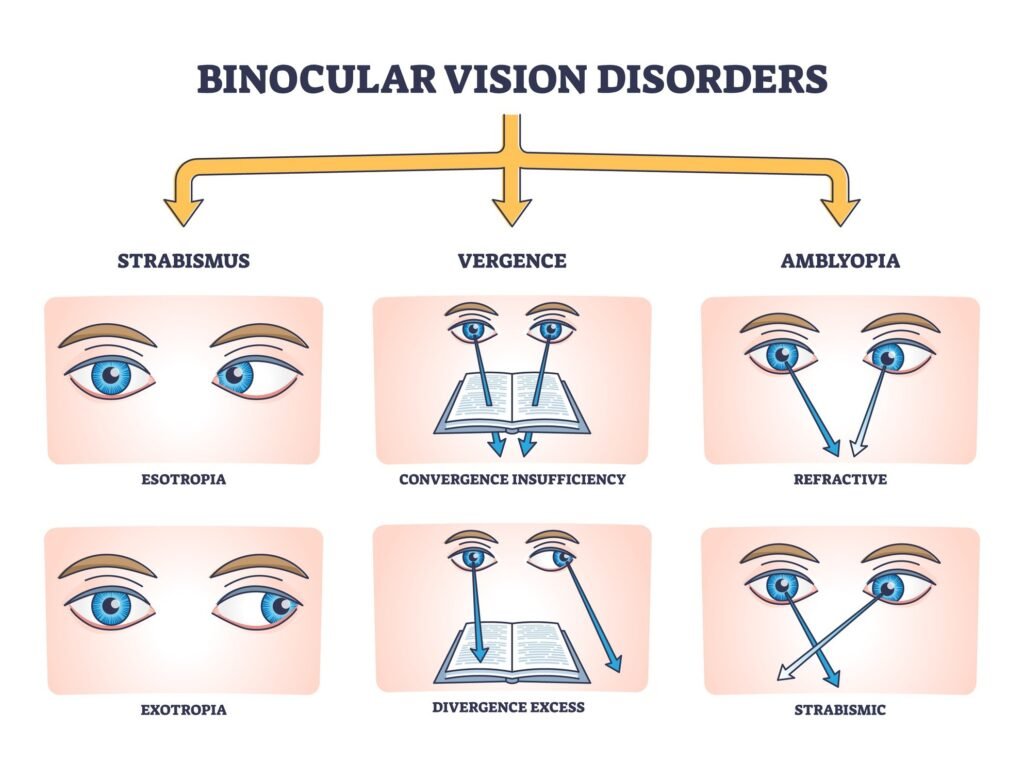
Binocular Vision Dysfunction, commonly referred to as BVD, occurs when the eyes struggle to align properly while focusing on objects. Even a slight misalignment can force the eye muscles and brain to work harder than they should, creating physical discomfort and visual confusion. The condition may develop gradually, which means many people fail to recognise the connection between their symptoms and their eyesight.
Unlike standard vision problems such as short-sightedness or long-sightedness, BVD is linked to eye coordination rather than the sharpness of sight. Someone may have perfect vision on a standard chart yet still suffer from dizziness, headaches, or difficulty reading. A specialist BVD eye test UK assessment focuses specifically on how the eyes function together, helping optometrists identify problems that ordinary tests may overlook completely.
Common Symptoms That May Indicate BVD
The symptoms of Binocular Vision Dysfunction can vary greatly from person to person, which is one reason the condition is frequently misunderstood. Many patients experience recurring headaches, eye strain, blurred vision, or motion sickness without realising their eyes are struggling to work as a team. Some people also feel tired after reading for short periods or become overwhelmed in busy environments such as shopping centres or crowded roads.
Children and adults alike may notice concentration difficulties, poor depth perception, or discomfort while using digital screens. In schools, children with undiagnosed BVD can appear distracted or reluctant to read because visual tasks feel exhausting. A detailed BVD eye test UK examination can help uncover whether these symptoms are linked to binocular vision problems rather than unrelated health concerns or learning difficulties.
What Happens During a BVD Eye Test UK
A specialist BVD eye test UK appointment is far more comprehensive than a routine high street eye examination. The assessment usually lasts between forty-five minutes and ninety minutes depending on the clinic and the complexity of the patient’s symptoms. During the appointment, the optometrist evaluates how the eyes move, focus, track objects, and coordinate with one another during various visual tasks.
Several advanced tests may be included as part of the assessment process. These often involve prism cover testing, eye movement analysis, depth perception evaluation, and binocular vision questionnaires. The purpose of these examinations is to identify subtle alignment issues that could be causing long-term discomfort. Because the condition can affect each patient differently, the testing process is usually tailored to individual symptoms and visual challenges.
Who Should Consider a BVD Eye Test UK
Adults experiencing ongoing migraines, dizziness, neck tension, or eye fatigue may benefit significantly from specialist testing. Office workers who spend hours using computers frequently report visual discomfort linked to binocular vision issues. When standard glasses prescriptions fail to improve symptoms, a BVD eye test UK assessment may reveal hidden alignment problems contributing to daily discomfort and reduced productivity.
Children can also benefit from early diagnosis and treatment. Reading difficulties, short attention spans, and frustration during schoolwork may sometimes stem from poor eye coordination rather than educational challenges. Parents who notice persistent complaints about headaches or blurry words on a page should consider seeking professional advice. Early intervention can support both academic performance and confidence in the classroom.
Where to Get a BVD Eye Test UK
Across the United Kingdom, specialist behavioural optometrists and binocular vision clinics provide detailed assessments for patients experiencing symptoms associated with BVD. Private clinics are often preferred because they dedicate more time to each consultation and use specialised equipment designed to evaluate eye coordination thoroughly. Some university eye clinics also offer binocular vision assessments at more affordable rates for patients seeking expert support.
Although certain NHS services may help patients with severe visual symptoms or neurological concerns, standard NHS eye tests may not always investigate binocular dysfunction in depth. This is why many individuals choose private clinics for a comprehensive BVD eye test UK experience. Researching specialist qualifications, patient reviews, and clinic expertise can help patients find the most suitable provider for their needs.
How Much Does a BVD Eye Test UK Cost
The cost of a specialist BVD eye test UK assessment can vary depending on the clinic, the level of testing involved, and the location within the country. In most cases, patients can expect to pay between £80 and £250 for an initial consultation. Follow-up appointments and additional treatments such as prism lenses may involve separate charges depending on the complexity of the condition.
While private testing may seem expensive initially, many patients view it as a worthwhile investment after years of unresolved symptoms. Accurate diagnosis can prevent unnecessary medical appointments and help patients receive targeted treatment that genuinely improves daily life. Clinics often provide detailed explanations of fees and treatment plans before beginning the assessment process, allowing patients to understand the full cost clearly.
Treatment Options After Diagnosis
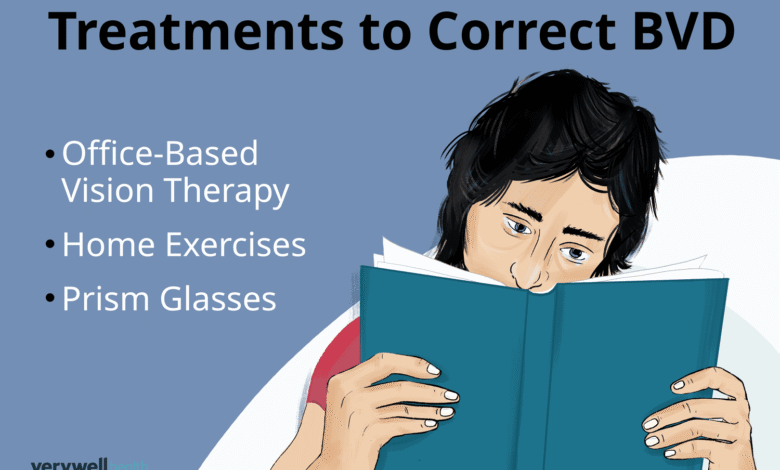
One of the most common treatments recommended following a BVD eye test UK assessment is prism glasses. These specially designed lenses help align visual images correctly so the eyes no longer need to overcompensate during focusing tasks. Many patients report significant improvements in headaches, dizziness, reading comfort, and visual clarity shortly after beginning treatment with prism lenses.
Vision therapy may also be suggested in certain situations, particularly for children or patients requiring additional support with eye coordination. This therapy involves structured exercises designed to strengthen communication between the eyes and brain. Combined with lifestyle adjustments such as reducing screen strain and improving posture, treatment can provide long-term improvements in both comfort and visual performance.
Choosing the Right BVD Specialist
Selecting the right clinic or behavioural optometrist is an important part of the treatment journey. Patients should seek professionals with experience in binocular vision dysfunction and ask detailed questions about the testing process before booking an appointment. A reputable specialist will take time to understand symptoms fully and explain all findings in clear, reassuring language.
Reading reviews and researching clinic backgrounds can also help patients feel more confident when choosing a provider. Because symptoms often overlap with migraines, anxiety, or neurological conditions, specialist knowledge is essential for accurate diagnosis. Booking a trusted BVD eye test UK consultation can make a substantial difference in both the quality of diagnosis and the effectiveness of treatment.
Conclusion
Binocular Vision Dysfunction is a frequently overlooked condition that can affect nearly every aspect of daily life, from reading and working to travelling and social interaction. Many people struggle with symptoms for years without understanding that eye coordination problems may be responsible. A professional BVD eye test UK assessment offers a detailed approach to identifying these hidden visual issues and creating an effective treatment plan.
With growing awareness and improved access to specialist care across the UK, more patients are finally receiving the support they need. Whether symptoms involve headaches, dizziness, eye strain, or concentration difficulties, seeking expert advice can lead to meaningful improvements in comfort and quality of life. Early diagnosis and tailored treatment can help individuals regain confidence in their vision and daily activities.